- Air Conditioning
- Information
- What Size Ducted Air Conditioning System Do I Need for My Brisbane Home?
What Size Ducted Air Conditioning System Do I Need for My Brisbane Home?
Choosing the Right Size Ducted Air Conditioning System
Choosing the right size ducted air conditioning system is one of the most important decisions you’ll make for your home. If the system is too small, it won’t keep up with Brisbane’s heat. If it’s too large, it can become inefficient and cost more to run.
Ducted air conditioning systems are designed to cool and heat your entire home, not just a single room. That means sizing is more complex than simply picking a unit based on square meters. It depends on how your home is built, how it’s used, and how the system is designed.
In this guide, we’ll explain how ducted air conditioning sizing works, what factors affect it, and how to make sure your system is efficient and reliable.
How Ducted Air Conditioning Sizing Works
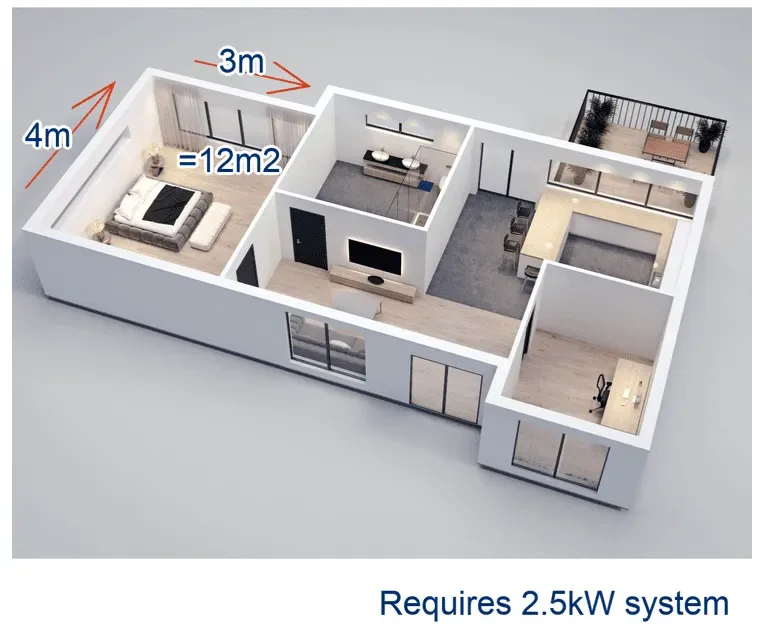
Ducted air conditioning systems are measured by their cooling capacity, which is shown in kilowatts (kW). This represents how much cooling or heating the air conditioning unit can deliver across your home.
Unlike a split system, which is sized for a single room, ducted air conditioning systems are designed to manage airflow across multiple rooms at once. This means the total floor area, number of rooms, and overall home size all need to be considered together.
In Brisbane’s subtropical climate, where both cooling and heating are used throughout the year, your system needs to handle high summer temperatures as well as mild winter conditions. That’s why choosing the correct size air conditioner is critical for both comfort and efficiency.
Key Factors That Determine System Size
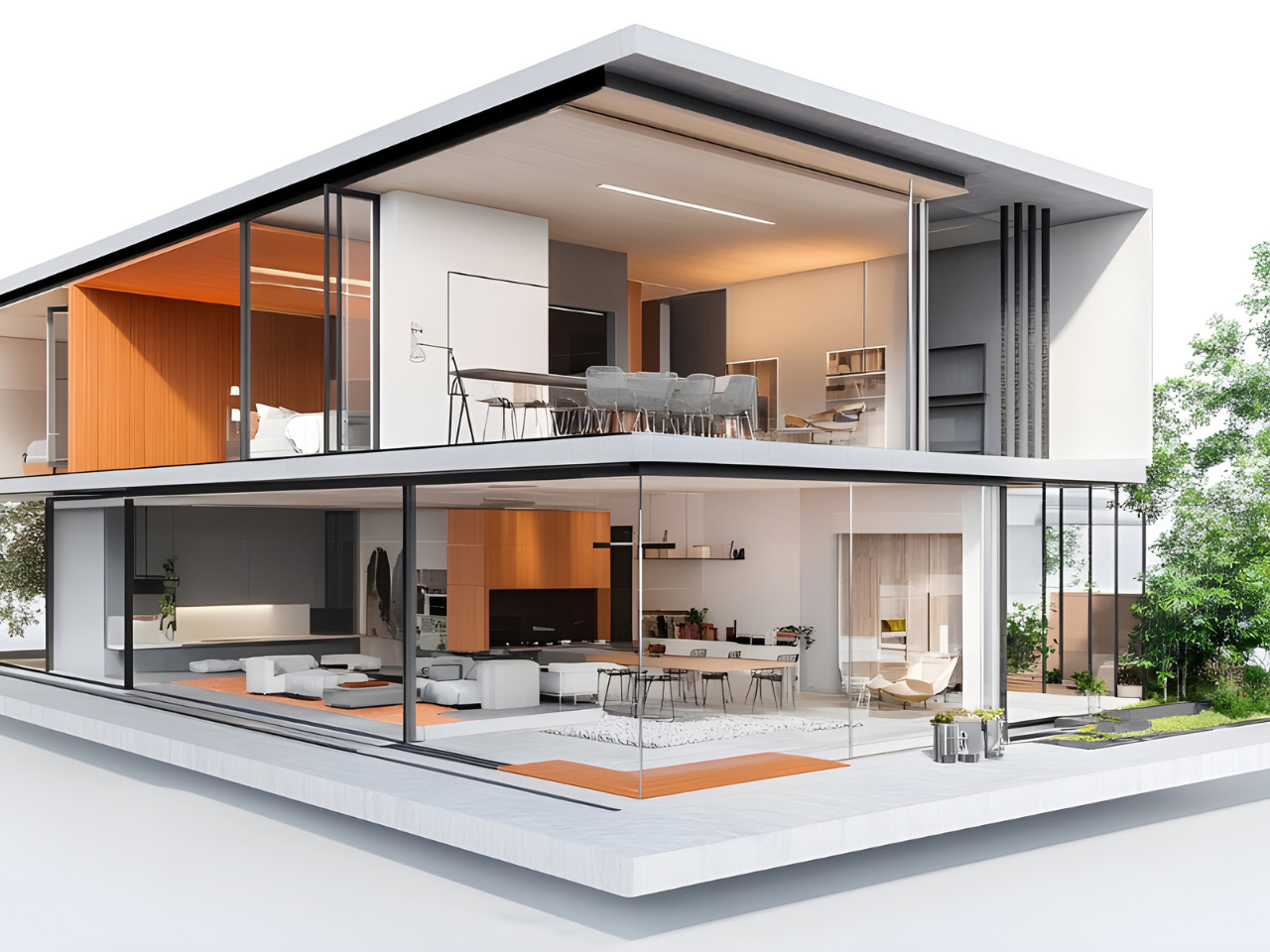
Choosing the right air conditioning size is not just about square metre calculations. A proper system design looks at how your home actually performs in real conditions.
The most important factors include:
- total floor area and overall home size
- number of rooms and how they are used
- ceiling height and air volume
- insulation quality in the roof and walls
- window size, glazing and direct sunlight exposure
- whether the home faces west (which increases heat load)
- open plan living areas like the main living room or daytime living area
- number of occupants and internal heat sources
- local climate conditions in Brisbane
For example, Australian homes with large open living areas and poor insulation may require a significantly larger system capacity than smaller, well-insulated homes.
This is why a professional heat load assessment is often needed to determine the correct system capacity.
Why Simple Sizing Rules Don’t Work
Basic formulas like “watts per square metre” can give a rough estimate, but they don’t account for real-world conditions.
Two homes with the same floor area can have completely different air conditioning needs due to differences in insulation, airflow, layout and sun exposure.
For ducted systems, relying on simple calculations can lead to choosing an undersized air conditioner or an oversized system, both of which reduce efficiency and increase energy consumption.
Zoning and Its Impact on System Size
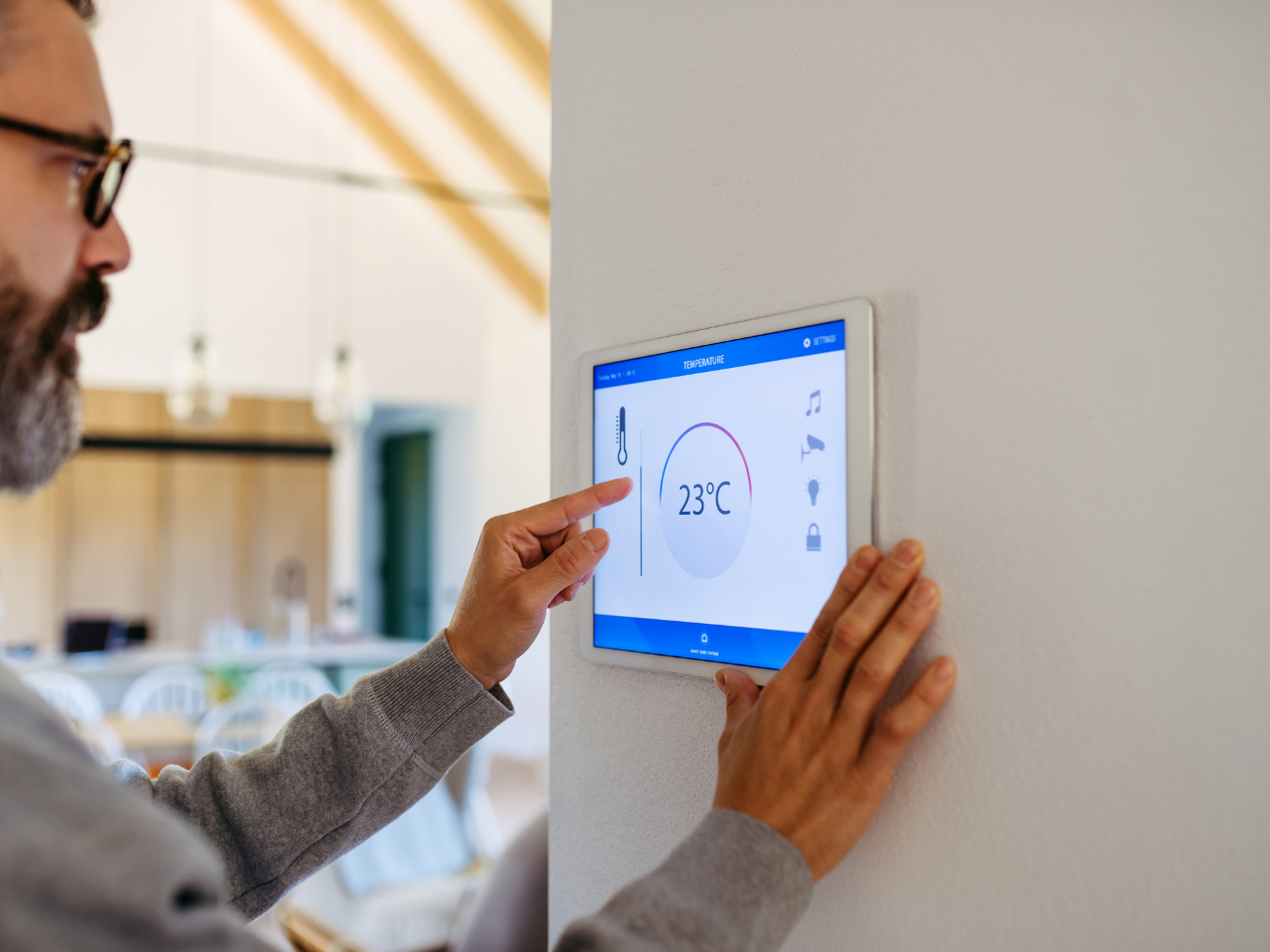
Zoning plays a major role in how ducted air conditioning systems are sized and used.
Instead of cooling or heating the entire home, zoning allows you to control different areas independently. This means you can reduce the load on the system by only conditioning the rooms you are using.
For example:
- cooling the living room during the day
- switching to bedrooms at night
- turning off unused areas
This improves comfort and efficiency while reducing overall energy consumption.
A well-designed zoning system also allows better control of airflow, helping maintain a more consistent and comfortable temperature across different rooms.
What Happens If Your System Is the Wrong Size
Getting the unit size wrong can have a big impact on both performance and energy savings.
If the system is undersized:
- It will run constantly, trying to reach the set temperature
It may struggle during peak summer heat
- Energy consumption increases over time
If the system is oversized:
- It will cool or heat too quickly and shut off too often
- This short cycling reduces efficiency
- It can create uneven temperatures and reduce comfort
The correct size ensures the system runs steadily, maintains a comfortable temperature, and delivers the best balance of comfort and efficiency.
Typical System Sizes for Brisbane Homes
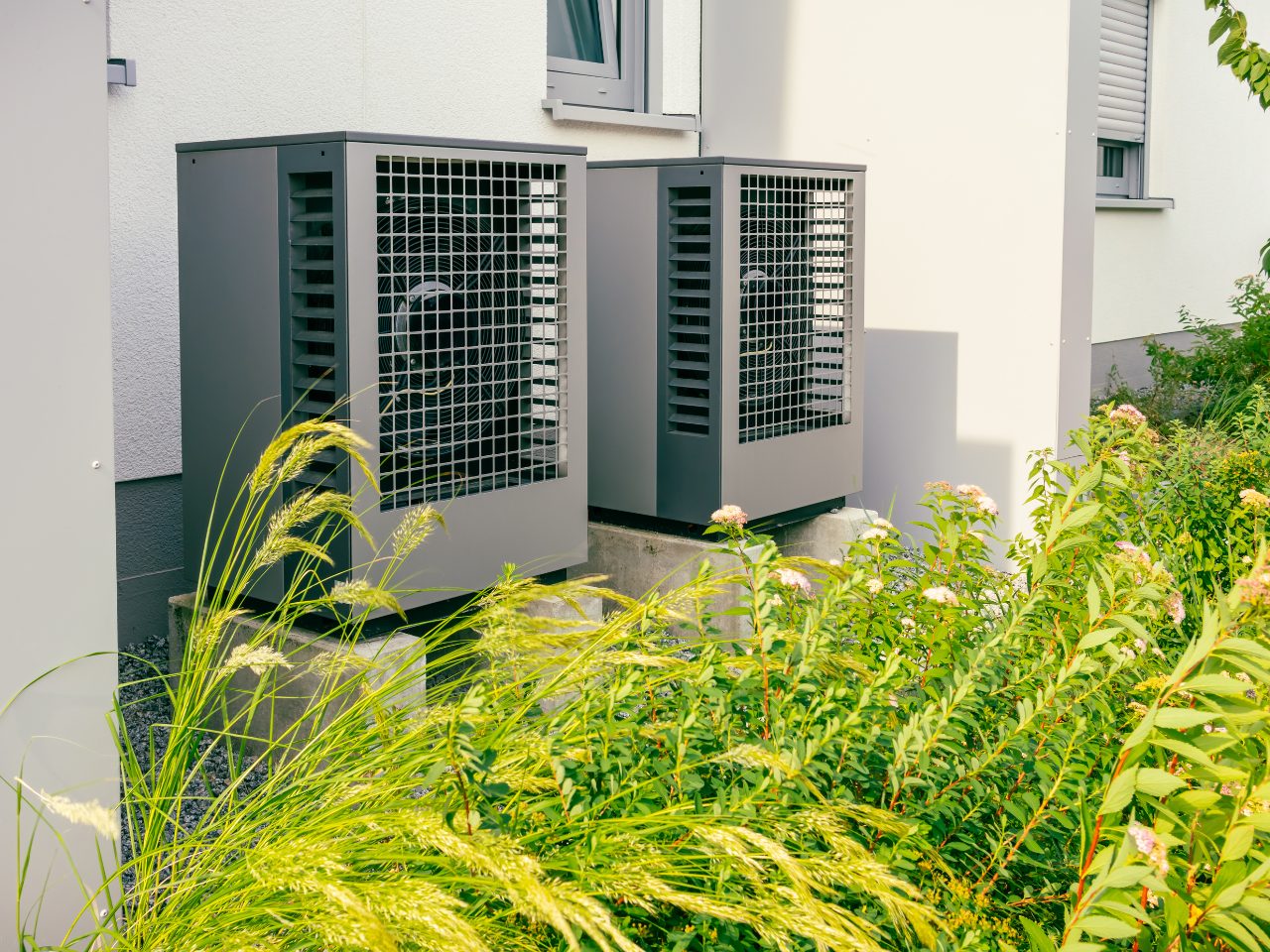
While exact sizing should always be confirmed through assessment, general ranges can help guide your decision.
- small homes: around 7kW to 10kW
- medium homes: around 10kW to 14kW
- large homes: 14kW and above
These estimates depend heavily on room size, insulation quality, and layout. Larger homes with multiple living areas or poor insulation may require higher system capacity.
Why Ductwork and Airflow Matter
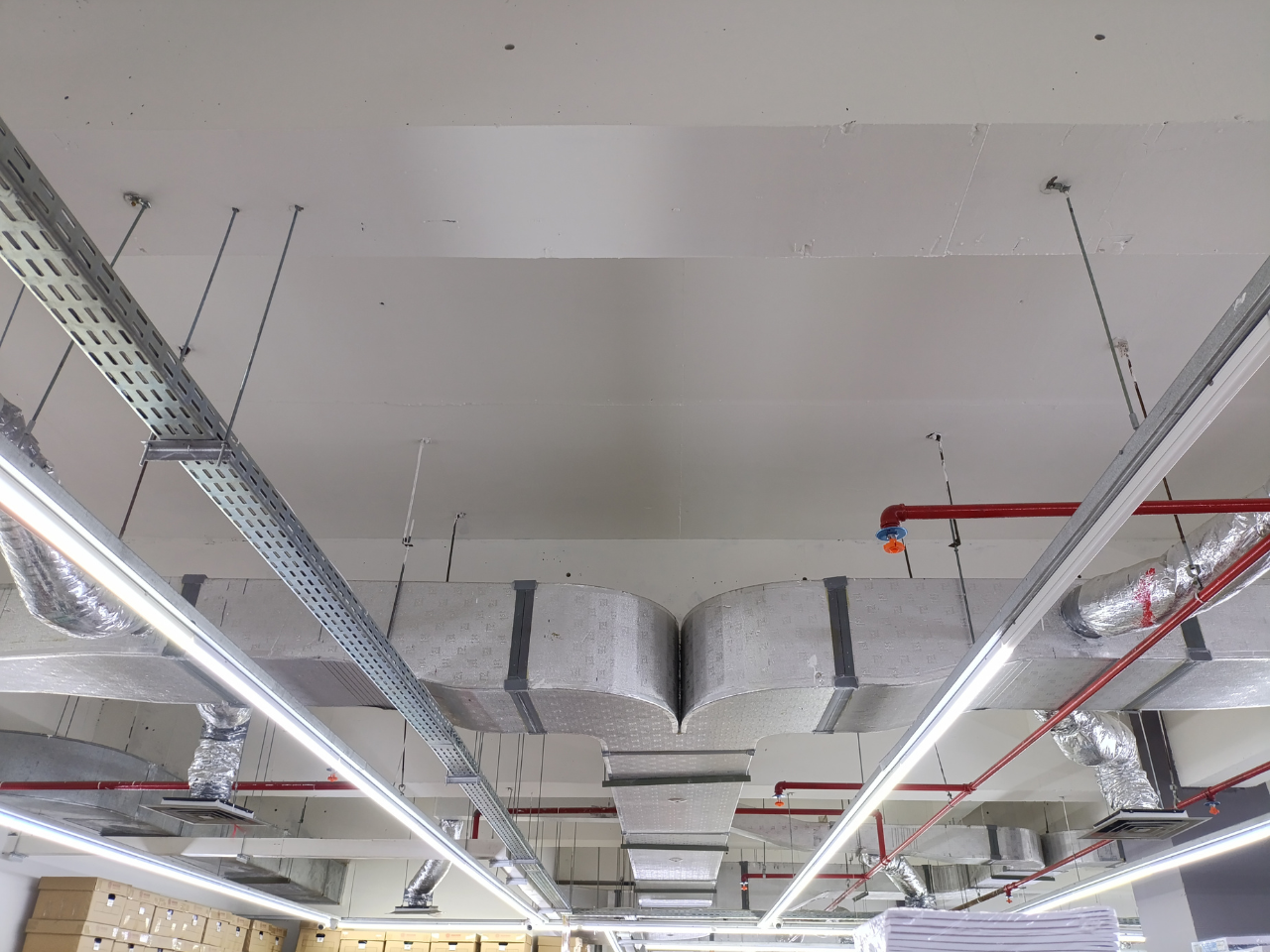
The network of ducts is just as important as the air conditioning unit itself.
If ductwork installation is poorly done, or if ducts are not insulated properly, cool air can be lost before it reaches each room. This increases energy usage and reduces performance.
Key issues that affect efficiency include:
- leaking ductwork
- poorly designed duct layouts
- restricted airflow due to crushed ducts
- lack of insulation in roof spaces
Airflow must also be balanced across all rooms. Without proper airflow, some areas may feel too warm while others are too cold, leading to unnecessary adjustments and higher energy consumption.
This is one of the biggest factors that separates an average system from an efficient one.
Electrical Requirements and System Performance
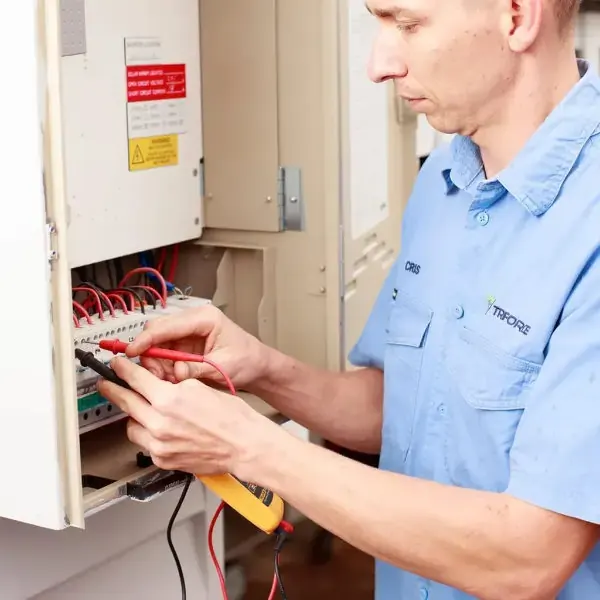
Ducted air conditioning systems rely on a stable and properly designed electrical system.
Larger air conditioning units require sufficient power input, and in some cases, upgrades may be needed to support the system.
Electrical factors that affect efficiency include:
- system capacity vs available power
- switchboard condition
- circuit loading
- wiring quality
If the electrical setup is not suitable, it can reduce system performance and increase energy usage.
Because Triforce Electrical & Air specialises in both electrical services and air conditioning installation, we can assess your full system. This ensures your air conditioning unit operates safely and efficiently within your home.
Installation Considerations
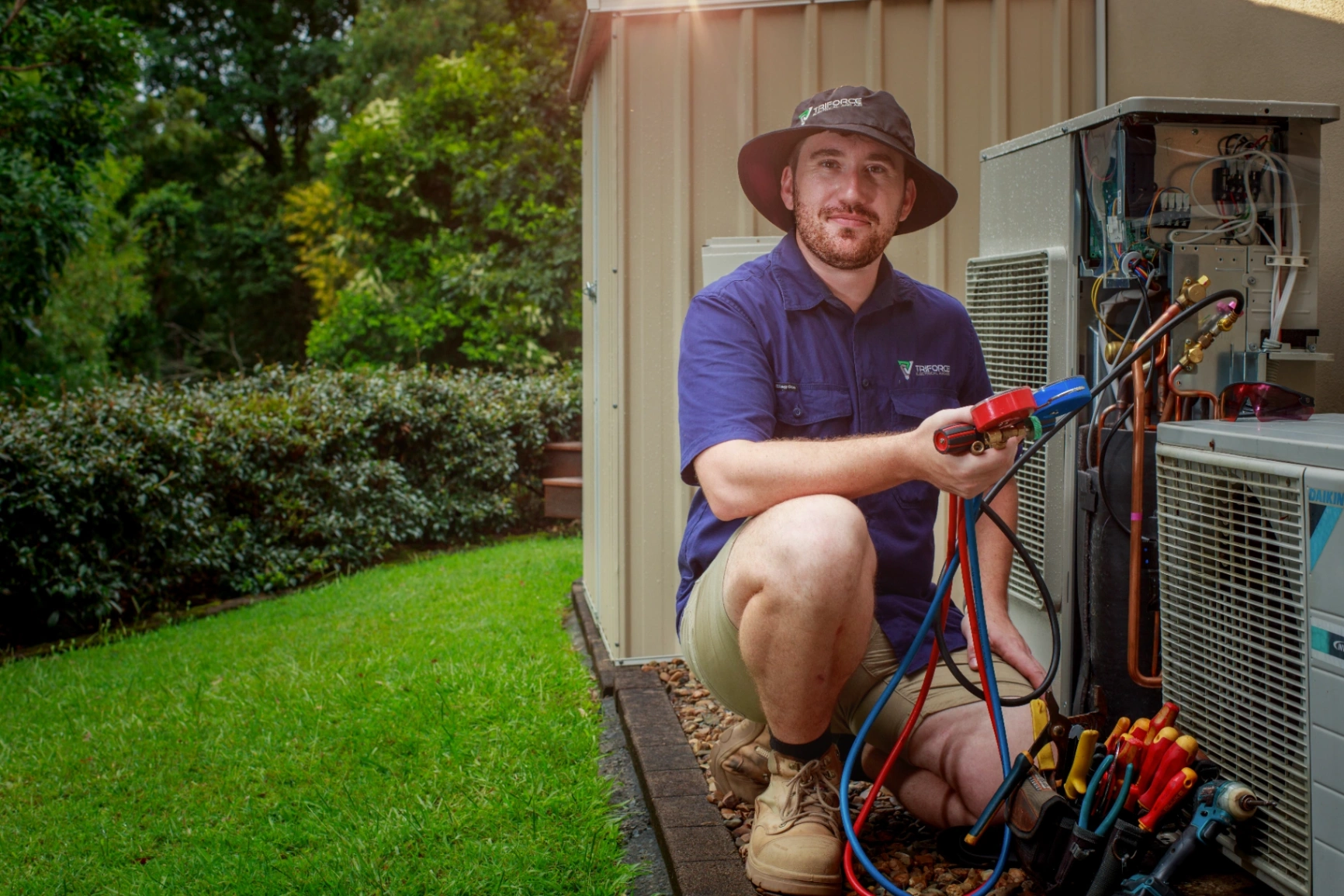
Installation has a direct impact on how well your system performs.
Important considerations include:
- indoor unit placement in the ceiling
- outdoor unit positioning for airflow and heat exchange
- available roof space
- vent placement in each room
A well-planned installation improves airflow, reduces energy waste and helps maintain a comfortable temperature throughout the home.
Split System vs Ducted Sizing
Split system air conditioners are designed for single rooms, while ducted air conditioning systems are designed for the entire home.
In smaller spaces, a split system may be more efficient. However, in larger homes with multiple rooms, using multiple split systems can increase overall energy consumption.
A ducted system, when sized correctly and combined with zoning, can provide better overall comfort and efficiency across the home.
How to Get an Accurate System Size
The best way to determine the correct size air conditioner is through a professional heat load assessment.
This involves:
- measuring total floor area
- assessing insulation and airflow
- evaluating ductwork requirements
- calculating cooling capacity needed
At Triforce Electrical & Air, we take a complete approach to system design, ensuring your air conditioning system is sized correctly for both comfort and efficiency.
Need Help Choosing the Right System?
Choosing the right air conditioning system doesn’t have to be complicated.
If you’re unsure about your air conditioning needs, our team can assess your home and recommend the best system for your layout, usage and budget.
We provide expert air conditioning installation and electrical services across Brisbane, helping homeowners achieve long-term comfort, energy savings and reliable performance.
Call 0485 869 815 or book online to speak with our team today.