How Often Should Your Home Electrical System Be Checked?
Your Home’s Electrical System Won’t Last Forever

Your home’s electrical system works quietly in the background every day, powering lighting, appliances, air conditioning and electrical devices throughout the property. Because everything often appears to work normally, many homeowners rarely think about having the system inspected until electrical problems begin appearing.
However, electrical systems gradually age over time. Wiring, circuit breakers, switches and other electrical components can deteriorate from heat, moisture, electrical load and everyday use. Regular inspections help identify hidden issues early and improve electrical safety throughout the home.
Older Brisbane homes are especially vulnerable because many were built before modern electrical demands became common. Today’s homes rely on far more electricity and electrical energy than homes built decades ago, placing additional pressure on older wiring, circuits and switchboards.
Understanding how often your electrical system should be checked can help reduce safety risks, improve reliability and prevent larger electrical problems from developing over time.
Why Electrical Inspections Are Important
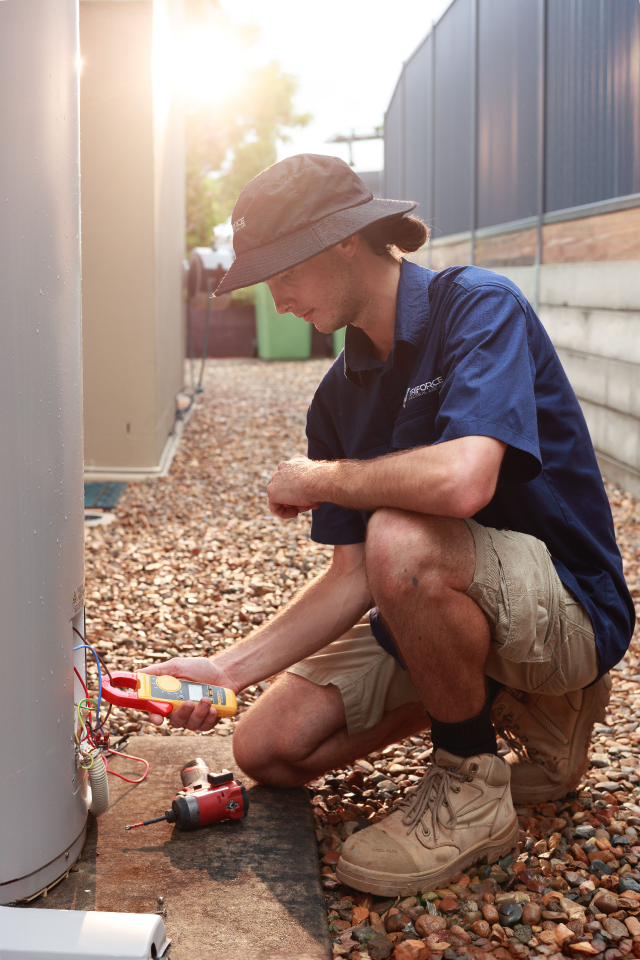
Electrical inspections are designed to assess the condition, safety and performance of your electrical system.
During an inspection, a professional electrician may assess the service panel or switchboard, electrical circuits, circuit breakers, wiring, outlets and switches throughout the home. Safety switches, grounding systems and other protective devices may also be tested to ensure they are operating correctly.
Many electrical problems develop gradually and may not immediately cause obvious symptoms. Loose connections, deteriorating conductors, overloaded circuits and ageing electrical components can continue operating for years before eventually causing power outages, electrical hazards or damage to appliances.
Regular inspections help identify issues before they become more serious.
Modern homes also place significantly greater demand on the electrical system than they once did. Air conditioners, entertainment systems, computers, EV chargers and kitchen appliances all increase the amount of electrical power flowing through the home’s electrical network. In some cases, older circuits and wiring may no longer suit modern electrical demands safely.
How Often Should a Home Electrical System Be Checked?
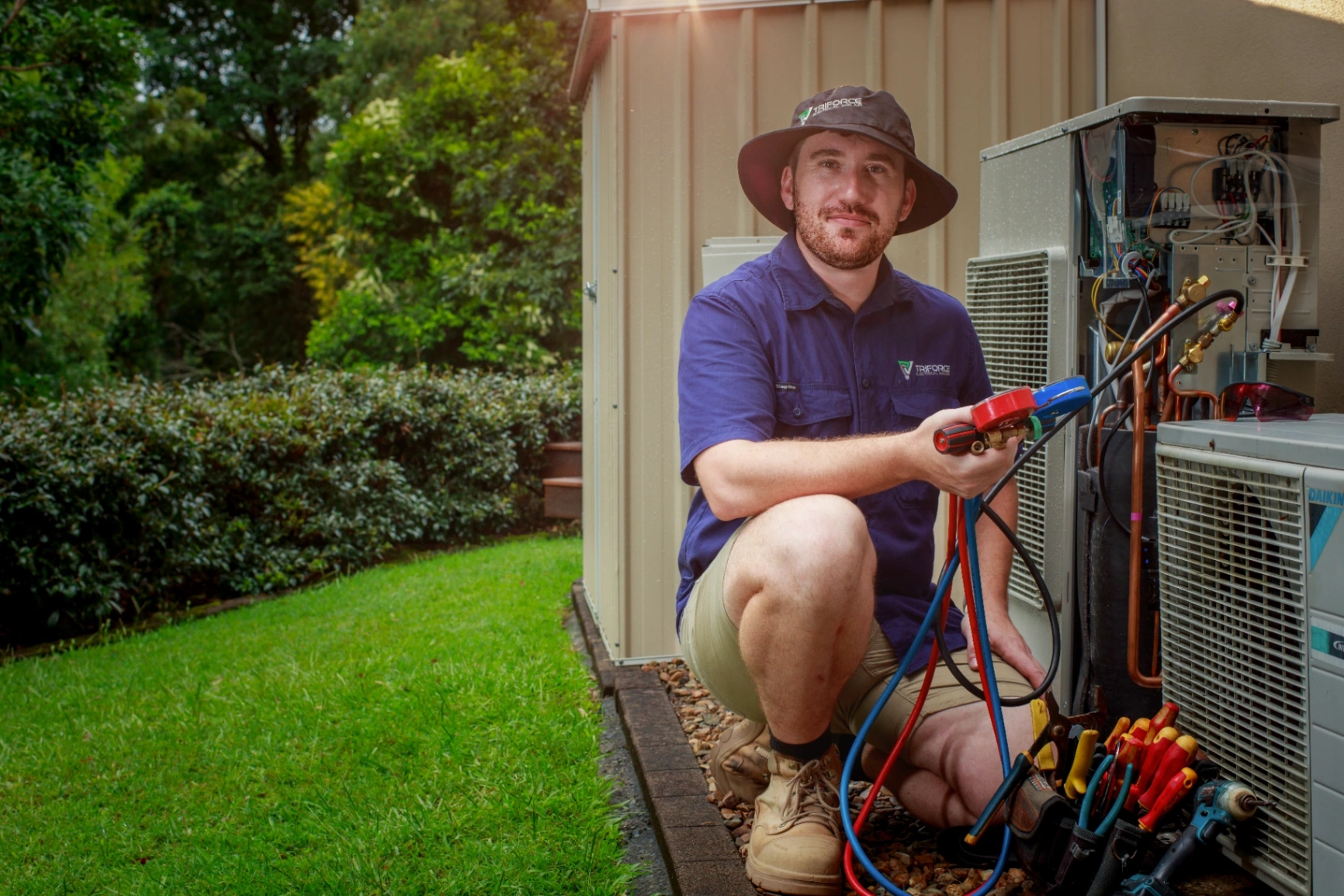
There is no single timeframe that applies to every property. The condition, age and electrical load of the home all influence how often the electrical system should be inspected.
As a general guide, newer homes may only require inspections every 5 to 10 years, while older homes often benefit from more frequent electrical checks. Homes with ongoing electrical problems, ageing wiring or outdated switchboards should usually be inspected sooner.
It is also a good idea to arrange an inspection:
- before purchasing a house
- after major renovations
- after significant storm activity or power surges
- when installing large appliances or air conditioning
- if lights flicker or breakers trip regularly
Electrical inspections are not only about finding faults. They also help improve understanding of how the electrical system works and whether it is safely handling the home’s current electrical load.
Signs Your Electrical System Should Be Checked Sooner
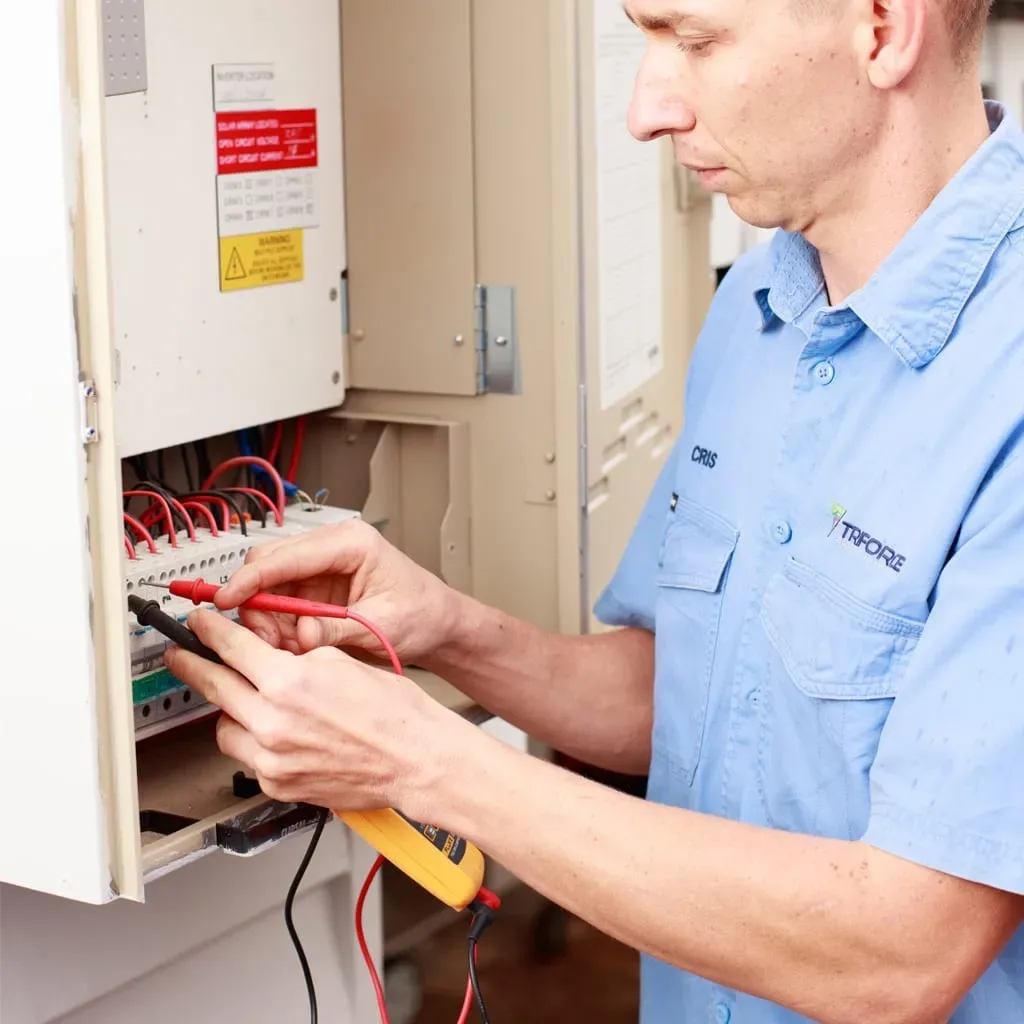
Many homes show warning signs before serious electrical problems develop.
Flickering lights, buzzing outlets and switches, burning smells or frequent tripping circuit breakers can all indicate issues within the electrical system. Some homeowners also notice unstable power when multiple appliances operate at the same time, particularly in older homes with limited circuits.
You may also experience:
- overloaded circuits
- intermittent power outages
- warm outlets or switches
- old ceramic fuses
- fluctuating voltage
- power loss affecting individual circuits
These issues can sometimes point to deteriorating wiring, damaged electrical components, unstable current flow or overloaded service panels.
If warning signs continue appearing, the system should be inspected by a qualified electrician before the problems become more serious.
Older Brisbane Homes and Ageing Wiring
Older Brisbane homes often require more frequent electrical inspections because many were built before modern electrical safety standards and electrical demands existed.
Some older properties still contain ageing wiring, outdated fuses, undersized circuits and older service panels that were never designed for today’s level of electricity usage. Years ago, homes operated with far fewer appliances and electrical devices than they do now.
Modern households commonly use air conditioners, home office equipment, entertainment systems, induction cooktops and multiple charging devices every day. This places additional strain on the electrical system and can gradually affect the performance of wiring, breakers and electrical components throughout the house.
As electrical demands increase, older systems may begin showing signs of stress such as flickering lights, overloaded circuits, unstable voltage or recurring breaker trips.
Regular inspections can help identify whether electrical repairs, switchboard upgrades or additional circuits may be needed to improve electrical safety and reliability.
What Happens During an Electrical Inspection?
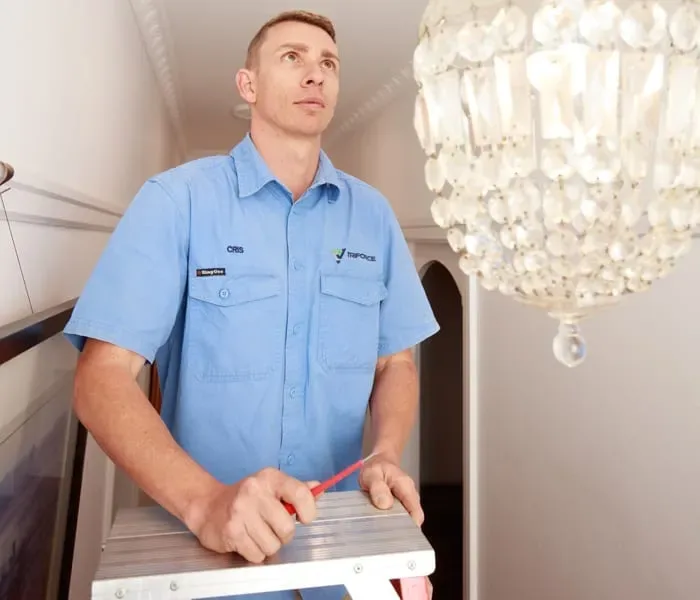
Many homeowners avoid inspections simply because they are unsure what to expect.
In most situations, an electrical inspection is straightforward and minimally disruptive. A licensed electrician will visually inspect the electrical system and test key components to assess overall safety and performance.
This may include checking the main service panel, circuit breakers, wiring, safety switches, outlets, switches and electrical circuits throughout the property. Electricians may also assess grounding systems, voltage stability and the flow of electricity through different circuits within the home.
The inspection may identify issues such as:
- loose electrical connections
- overloaded circuits
- outdated wiring
- deteriorating electrical components
- damaged breakers or switches
- signs of overheating or electrical damage
The goal is not simply to find faults, but to ensure the electrical system continues operating safely under the home’s current electrical load.
Electrical Safety Devices That Should Be Checked
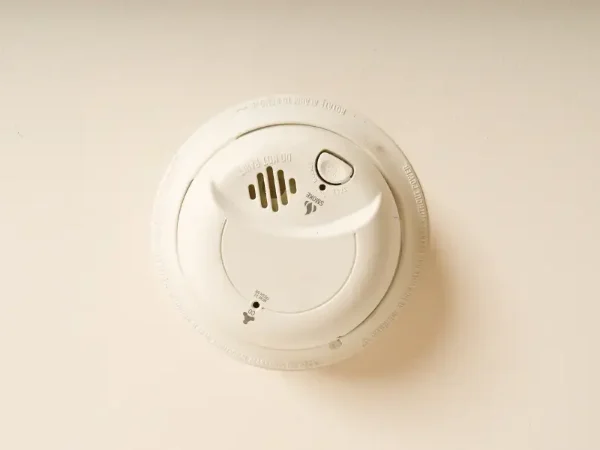
Modern electrical systems rely on several protective devices to improve safety throughout the home.
Circuit breakers, safety switches and ground fault circuit interrupters help protect against electrical faults, electric shock and excessive electrical current. These devices disconnect electrical power when unsafe conditions are detected and play an important role in reducing the risk of electrical fires and damage to appliances.
Older homes may still rely on outdated fuses rather than modern breakers and protective devices. While older systems may still function, they often provide less protection than modern electrical safety devices.
Regular testing helps confirm these systems are operating correctly and responding properly to electrical faults when required.
Electrical Systems Change as Homes Evolve
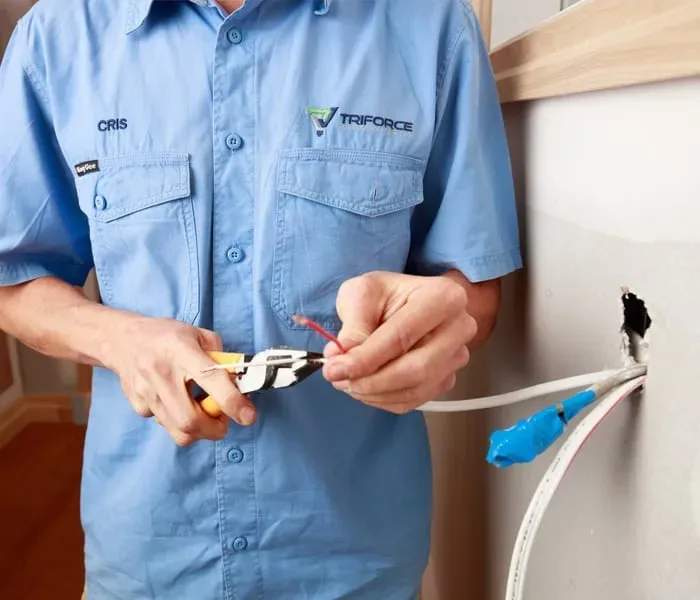
One reason inspections are so important is because electrical systems rarely stay the same throughout the life of a home.
Over time, homeowners often add new appliances, lighting, air conditioning systems, security systems and other electrical devices that increase the electrical load placed on the power system.
Some homes also undergo renovations or partial upgrades over many years, resulting in a mixture of older and newer electrical components throughout the property. In some situations, the original electrical circuits and wiring may no longer suit the home’s current electrical demands.
As the amount of electrical energy used throughout the home increases, older circuits, conductors and service panels can begin struggling to safely manage the flow of electricity.
Regular inspections help identify whether the electrical system is still operating safely and efficiently as the home evolves over time.
Can Electrical Inspections Help Prevent Expensive Repairs?
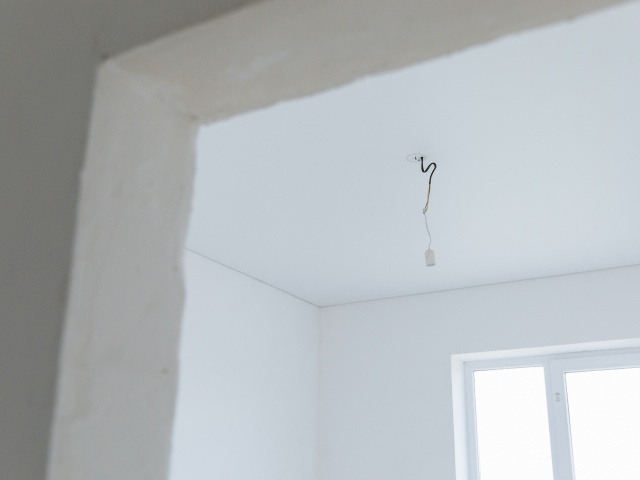
In many cases, yes.
Electrical inspections often identify smaller problems before they develop into larger electrical faults or expensive repairs. Loose wiring, deteriorating breakers, overloaded circuits and unstable voltage can all worsen gradually over time if left unresolved.
By identifying issues early, inspections may help reduce the risk of:
- electrical fires
- electric shock
- appliance damage
- major switchboard faults
- unexpected power outages
Preventative maintenance is usually far more affordable than emergency electrical repairs after significant electrical damage has already occurred.
Basic Electrical Safety Tips for Homeowners

While homeowners should never attempt complex electrical repairs themselves, there are several simple electrical safety tips that can help reduce risk between inspections.
Avoid overloading outlets with too many appliances, replace damaged extension leads promptly and pay attention to warning signs such as buzzing switches, flickering lights or burning smells. Testing safety switches regularly and avoiding excessive electrical load on single circuits can also help improve electrical safety throughout the home.
Most importantly, recurring electrical problems should never be ignored. Electrical systems often provide early warning signs before larger faults develop.
When to Call a Professional Electrician
If your home is experiencing recurring electrical problems or you are unsure about the condition of the electrical system, it is best to arrange an inspection with a professional electrician.
You should contact a licensed electrician if you notice flickering lights, tripping breakers, burning smells, buzzing outlets, unstable power or ageing ceramic fuses. Homes with outdated wiring, overloaded circuits or recurring electrical issues should also be professionally assessed.
At Triforce Electrical & Air, we provide electrical inspections, fault finding and electrical services across Brisbane. Our electricians assess wiring, circuits, switchboards and electrical components to help homeowners maintain safe and reliable electrical systems.
Whether your home requires electrical repairs, switchboard upgrades or preventative maintenance, our team can help identify the safest and most practical solution for your property.
Need an Electrical Inspection for Your Home?
If it has been years since your home’s electrical system was inspected, or you have started noticing warning signs such as flickering lights, tripping breakers or unstable power, our team can help.
Triforce Electrical & Air provides professional electrical inspections and electrical services across Brisbane, helping homeowners improve electrical safety and maintain reliable electrical power throughout the home.
Call 0485 869 815 or book online today to organise an inspection with a licensed electrician.