Why Are My LED Lights Flickering?
LED Light Bulbs Flickering Can Point to More Than Just a Faulty Globe
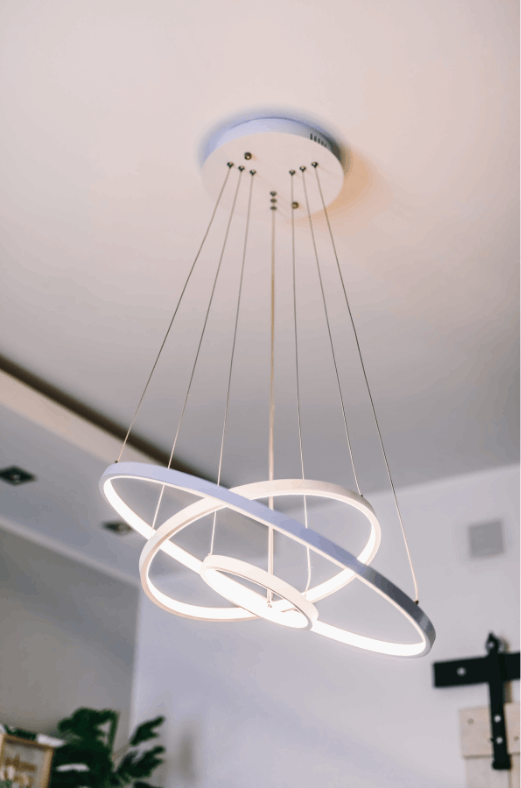
LED light bulbs flickering is a common problem in many Brisbane homes. Sometimes the issue is simple, such as a loose bulb or incompatible dimmer switch, but flickering issues can also indicate larger electrical problems involving wiring, circuits or overloaded electrical systems.
Modern LED lighting products are far more energy efficient than older incandescent bulbs and fluorescent tube lighting, but they can also be more sensitive to electrical fluctuations and compatibility issues.
If your LED lights flicker occasionally, it may not always indicate a major problem. However, frequent flashing, intermittent flickering or lights flickering throughout multiple rooms can sometimes point to problems within the electrical system that should not be ignored.
Understanding the main causes of flickering LED lights can help homeowners identify whether the issue is related to the bulbs themselves, the lighting fixture, dimmers, appliances or the electrical circuits supplying power to the home.
How LED Lights Work Differently From Older Light Bulbs
LED bulbs work differently from traditional incandescent bulbs and fluorescent tube lighting.
Older incandescent bulbs used a heated filament to produce light, while LED bulbs rely on electronic components and internal drivers to regulate electrical current. Because of this, LEDs are much more sensitive to:
- voltage fluctuations
- dimming compatibility
- poor wiring connections
- cheap drivers
- overloaded circuits
This sensitivity is one reason why LED lights flickering has become more noticeable in modern homes.
Higher quality LEDs and quality bulbs are usually more stable and reliable, while cheaper lighting products may flicker more easily under changing electrical conditions.
Common Reasons LED Lights Flicker
There are several common issues that can cause LED lights flickering in a home.
Some problems are relatively minor, while others may require electrical troubleshooting by a licensed electrician.
Loose Bulbs or Bad Connections
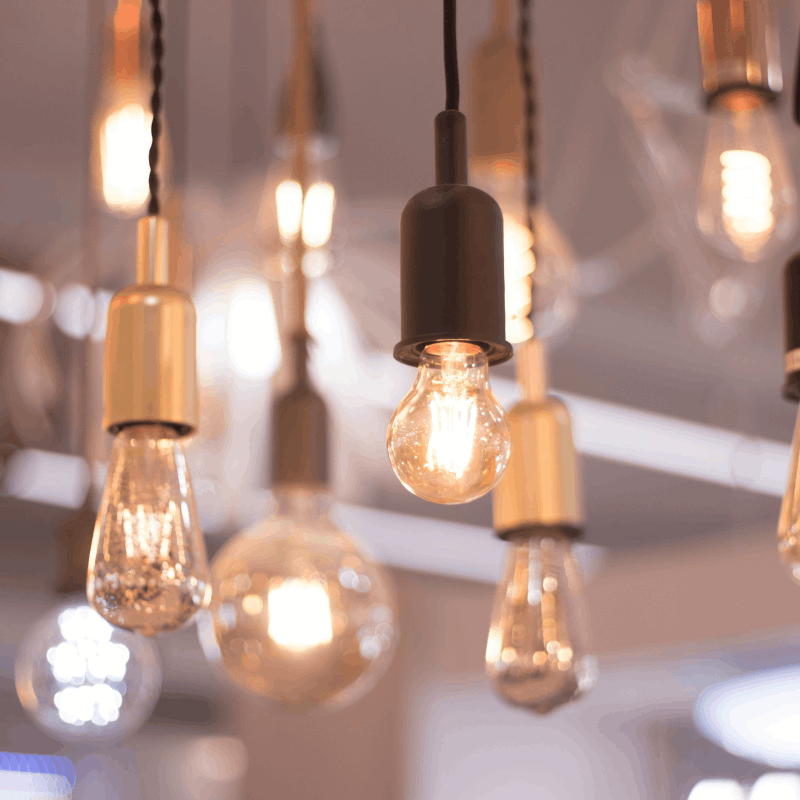
One of the most common causes of flickering lights is a loose bulb or bad connection within the lighting fixture.
Over time, vibration, heat and normal wear can affect the electrical connection between the bulb and the fitting. If the electrical current is interrupted even briefly, the LED may begin flashing or flickering intermittently.
You may notice:
- intermittent flickering
- flashing when lights are turned on
- flickering when doors close or walls vibrate
- lights flicker in one room only
In some situations, the issue may simply involve tightening the bulb. However, damaged fittings, worn terminals or loose wiring connections may also be responsible.
Incompatible Dimmers and Dimmable LEDs
Dimmers are another major cause of flickering issues with LED lights.
Many older dimmer switch systems were originally designed for incandescent bulbs and may not work correctly with modern dimmable LEDs. An incompatible dimmer switch can create unstable electrical current flow, leading to flickering, flashing or inconsistent dimming.
Common signs include:
- flickering when lights are dimmed
- buzzing sounds from the fixture
- lights not dimming smoothly
- flashing at low brightness levels
- inconsistent dimming effect
Installing the right dimmer for LED lighting is important because LEDs use far less wattage than older bulbs. Some dimmers require a minimum electrical load to function correctly, and low-wattage LEDs may not meet those requirements.
Using quality LEDs together with compatible dimmers usually resolves many flickering problems.
Cheap Drivers and Low-Quality Lighting Products
Not all LED lighting products are manufactured to the same standard.
Cheaper bulbs often use low-quality drivers and internal electrical components that struggle to regulate electrical current properly. This can result in:
- flickering
- flashing
- inconsistent brightness
- shortened lifespan
- unstable dimming
Some lower-quality bulbs may also be more sensitive to surges, voltage fluctuations and changes in electrical load throughout the home.
While inexpensive bulbs can seem appealing initially, they may create ongoing lighting problems and require replacement much sooner than higher-quality alternatives.
Quality LEDs are generally more stable, especially in homes with multiple appliances, dimmers or varying electrical demands.
Voltage Fluctuations Within the Home
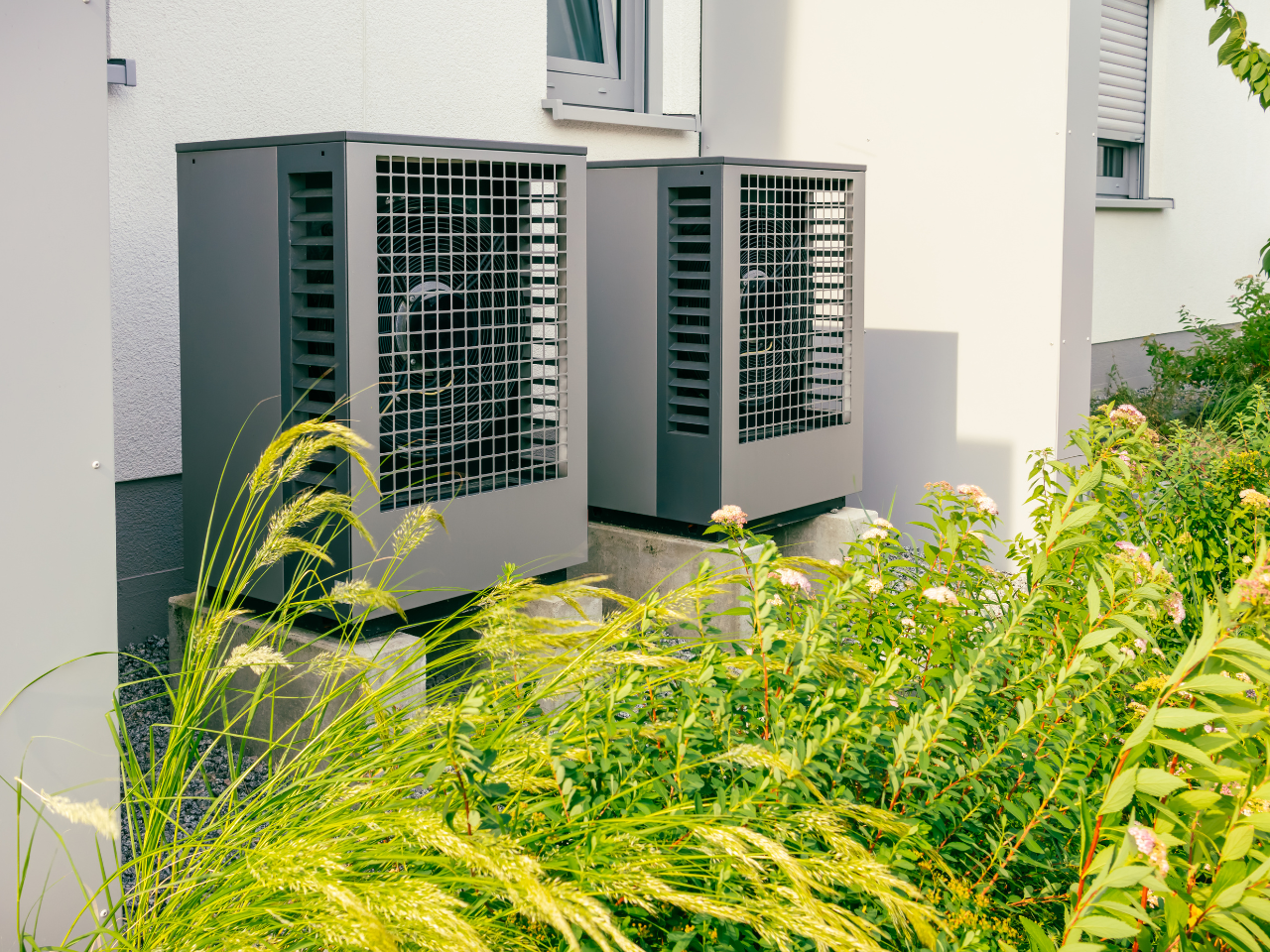
Voltage fluctuations are another common cause of flickering lights.
When large appliances draw significant power from the electrical system, you may notice lights dimming or flickering temporarily. This is especially common when:
- air conditioners start up
- pool pumps activate
- refrigerators cycle on
- washing machines operate
- multiple appliances run simultaneously
Small fluctuations are relatively normal, but excessive dimming or flickering throughout the home can sometimes indicate overloaded circuits, electrical wiring problems or issues within the switchboard.
Older Brisbane homes are particularly vulnerable because many electrical systems were not designed for modern electrical demands.
If lights flicker regularly when appliances start running, it may be worth having the electrical circuits inspected by a professional electrician.
Wiring Problems and Loose Electrical Connections
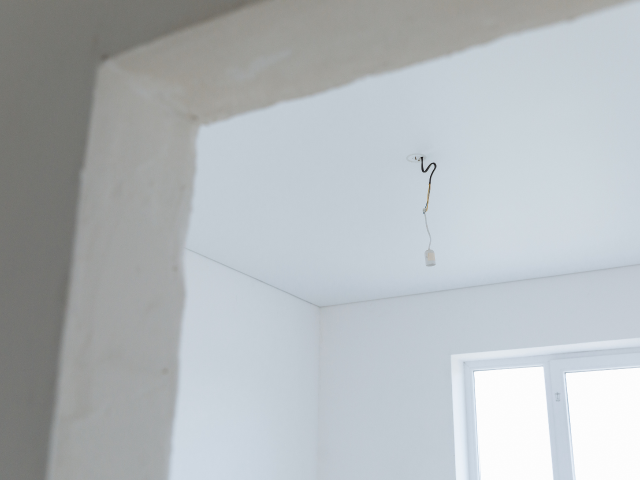
Faulty wiring is one of the more serious causes of flickering lights.
Loose connections, deteriorating wiring, or damaged electrical components can interrupt the flow of electricity and create an unstable power supply to lighting fixtures.
Signs of wiring issues may include:
- flickering across multiple rooms
- buzzing switches
- burning smells
- warm outlets and switches
- intermittent power loss
- lights flicker randomly throughout the home
In some situations, loose electrical connections can also generate excessive heat and increase the risk of electrical fires.
Because electrical wiring faults can become dangerous over time, recurring flickering problems should always be investigated properly.
Overloaded Circuits and Electrical Demands
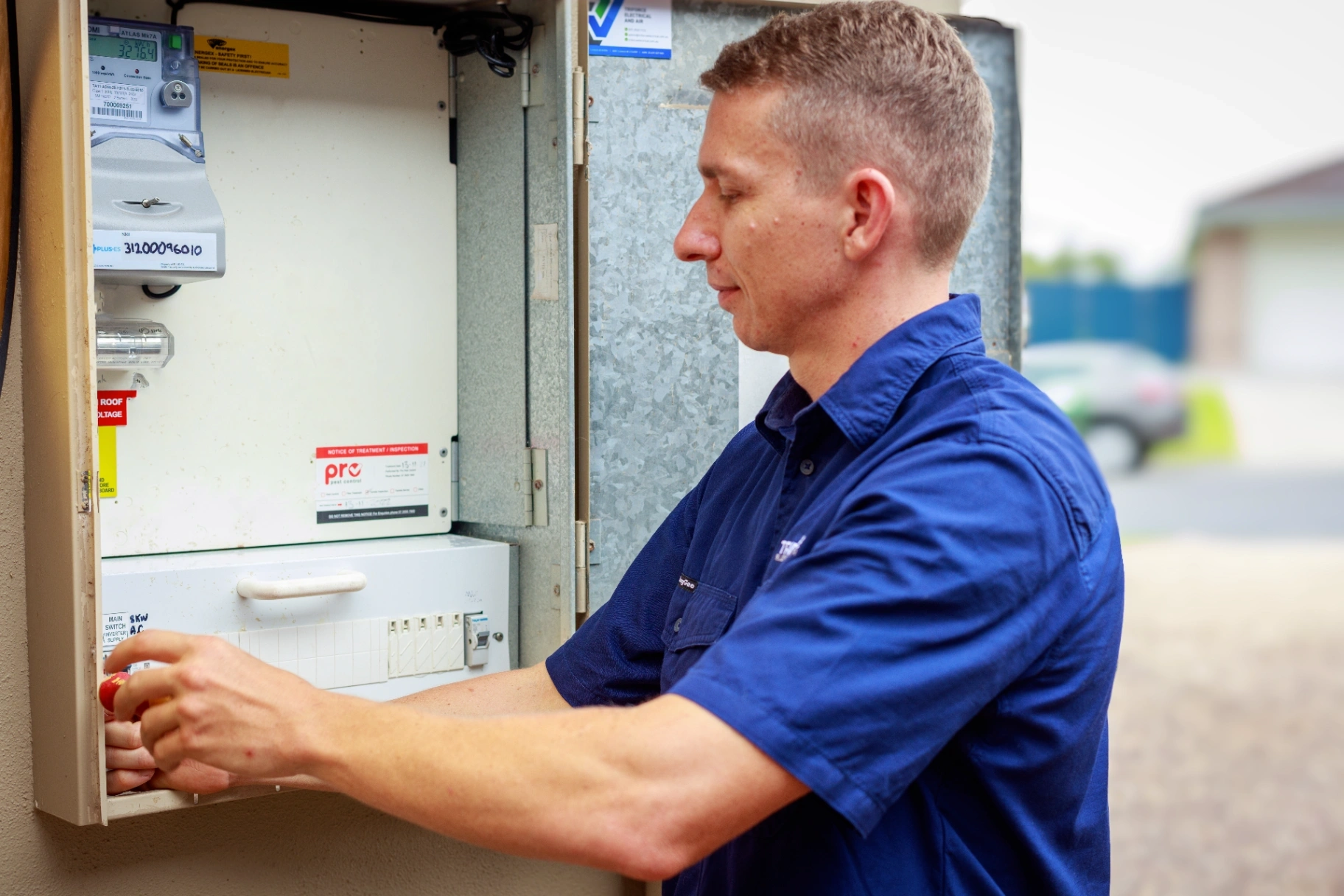
Modern homes place far greater pressure on electrical circuits than they did years ago.
Many households now use:
- multiple televisions
- gaming systems
- air conditioners
- computers
- kitchen appliances
- charging stations
- smart home devices
If several high-power appliances operate on the same circuit, the electrical load may become unstable and contribute to flickering lights.
Older homes with limited circuits are especially prone to these issues because they often lack dedicated circuit protection for modern appliances.
In some cases, adding separate circuits or upgrading the switchboard may improve electrical performance and reduce flickering issues throughout the home.
Can Flickering LED Lights Be Dangerous?
Occasional flickering from a single bulb is not always dangerous. However, ongoing flickering issues involving multiple lights or circuits should not be ignored.
Flickering may indicate:
- loose wiring
- overloaded circuits
- faulty dimmers
- electrical faults
- unstable electrical current
- deteriorating electrical components
If left unresolved, these electrical problems can sometimes lead to:
- overheating electrical connections
- damage to appliances
- electrical hazards
- power outages
- electrical fires
Some people may also experience eye strain, headaches or discomfort from constant flickering or flashing lights, particularly when low-quality LEDs are involved.
If the flickering becomes more noticeable over time or affects multiple areas of the home, professional electrical troubleshooting is recommended.
What You Can Safely Check Yourself
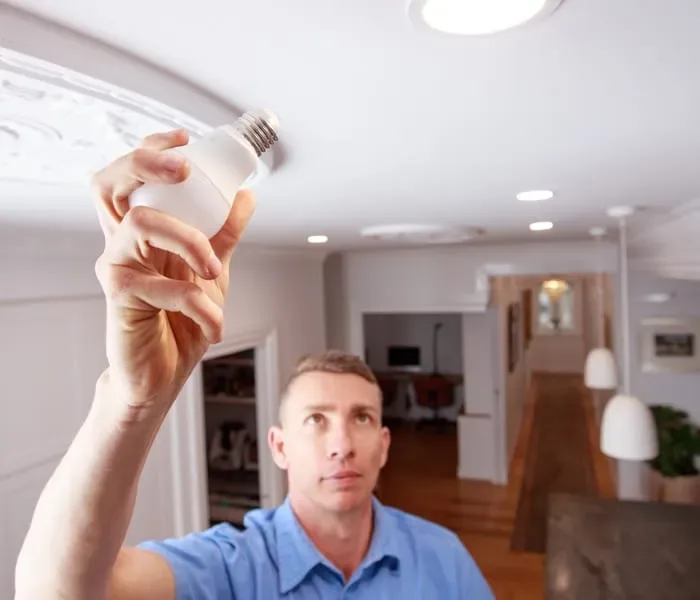
There are a few safe checks homeowners can carry out before contacting an electrician.
You can try:
- tightening loose bulbs
- testing a different bulb
- checking whether the issue affects one fixture or multiple lights
- turning off dimmers temporarily
- observing whether appliances trigger the flickering
- replacing low-quality bulbs with quality LEDs
If a dimmer switch is installed, checking whether the LEDs are compatible with the dimmer can also help identify the problem.
However, homeowners should avoid working on electrical wiring, circuits or lighting fixtures internally unless properly qualified.
If the issue continues after basic troubleshooting, it is best to contact a licensed electrician.
Older Brisbane Homes and Flickering Lights
Many older Brisbane homes experience flickering issues because their electrical systems were not designed for modern lighting and appliance usage.
Older properties may contain:
- ageing wiring
- outdated switchboards
- overloaded circuits
- limited electrical capacity
- older dimmer systems
As electrical demands increase over time, the existing circuits and switchboard may struggle to provide stable electrical power throughout the property.
Flickering downlights are especially common in homes where:
- Modern LEDs were added to older wiring systems
- Dimmers were never updated
Multiple appliances share the same circuits
- Electrical upgrades have occurred gradually over many years
In some cases, electrical repairs, updated dimmers or switchboard upgrades may be needed to improve electrical stability and lighting performance.
When to Call an Electrician
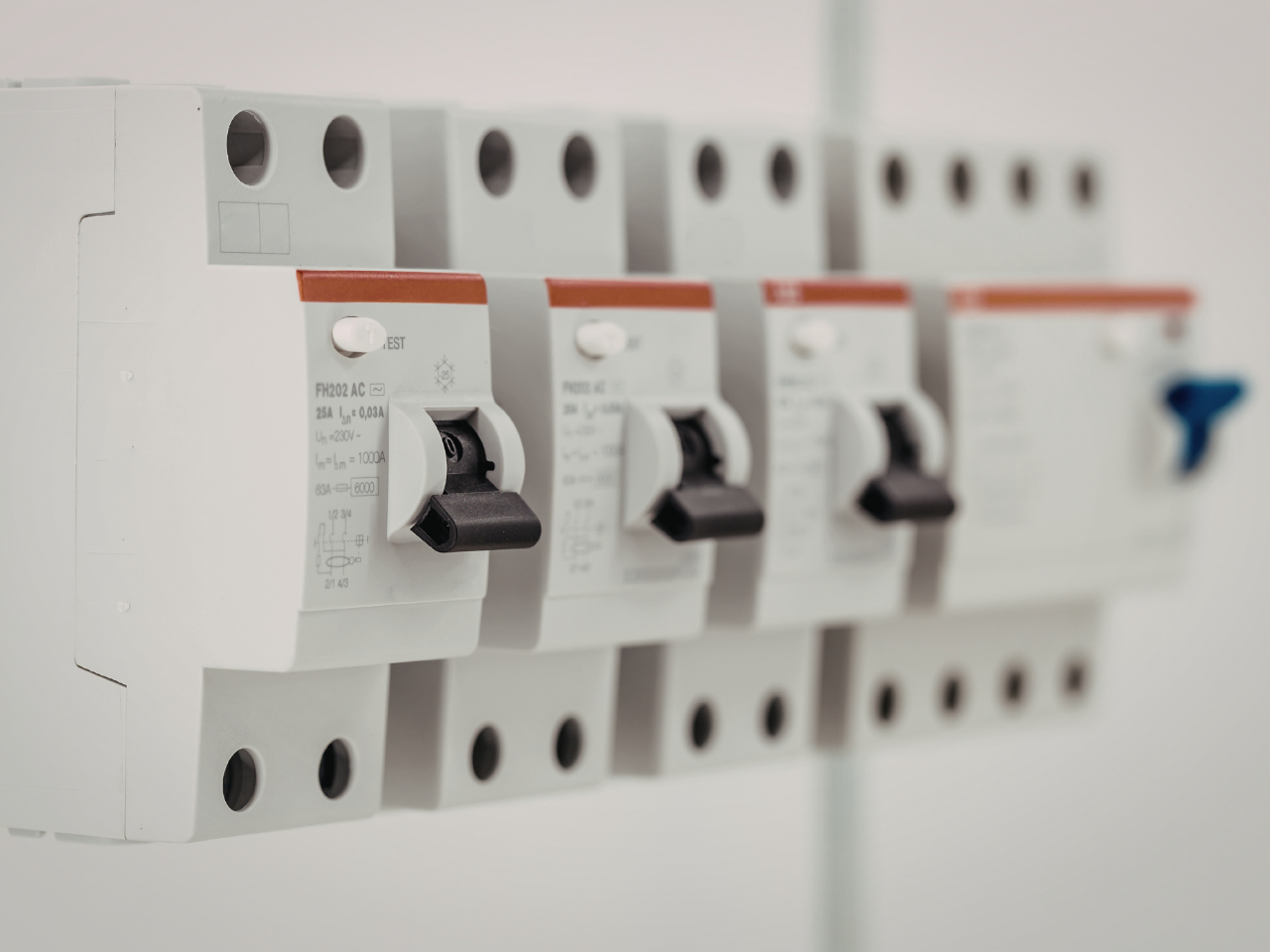
If your LED lights flicker regularly, it is important to identify whether the issue is related to the bulbs themselves or the home’s electrical system.
You should contact a professional electrician if you notice:
- flickering across multiple rooms
- buzzing dimmers or switches
- burning smells
- flickering combined with tripping breakers
- lights dimming when appliances start
- intermittent power loss
- flashing that worsens over time
At Triforce Electrical & Air, our electricians provide electrical troubleshooting, fault finding and electrical repairs across Brisbane. We inspect lighting circuits, dimmers, switchboards and wiring to identify the main causes of flickering lights and recommend practical solutions.
Whether the problem involves incompatible dimmers, faulty wiring, overloaded circuits or ageing electrical systems, our team can help restore safe and reliable lighting throughout your home.
Need Help With Flickering LED Lights?
If your LED lights flicker regularly or you are concerned about electrical problems within your home, our team can help identify the cause safely and professionally.
Triforce Electrical & Air provides electrical repairs, lighting fault finding and switchboard services across Brisbane, helping homeowners maintain safe and reliable electrical systems.
Call 0485 869 815 or book online today to organise an inspection with a licensed electrician.