Why Does My Circuit Breaker Keep Tripping?
Frequent Circuit Breaker Tripping Can Be a Sign of Electrical Problems
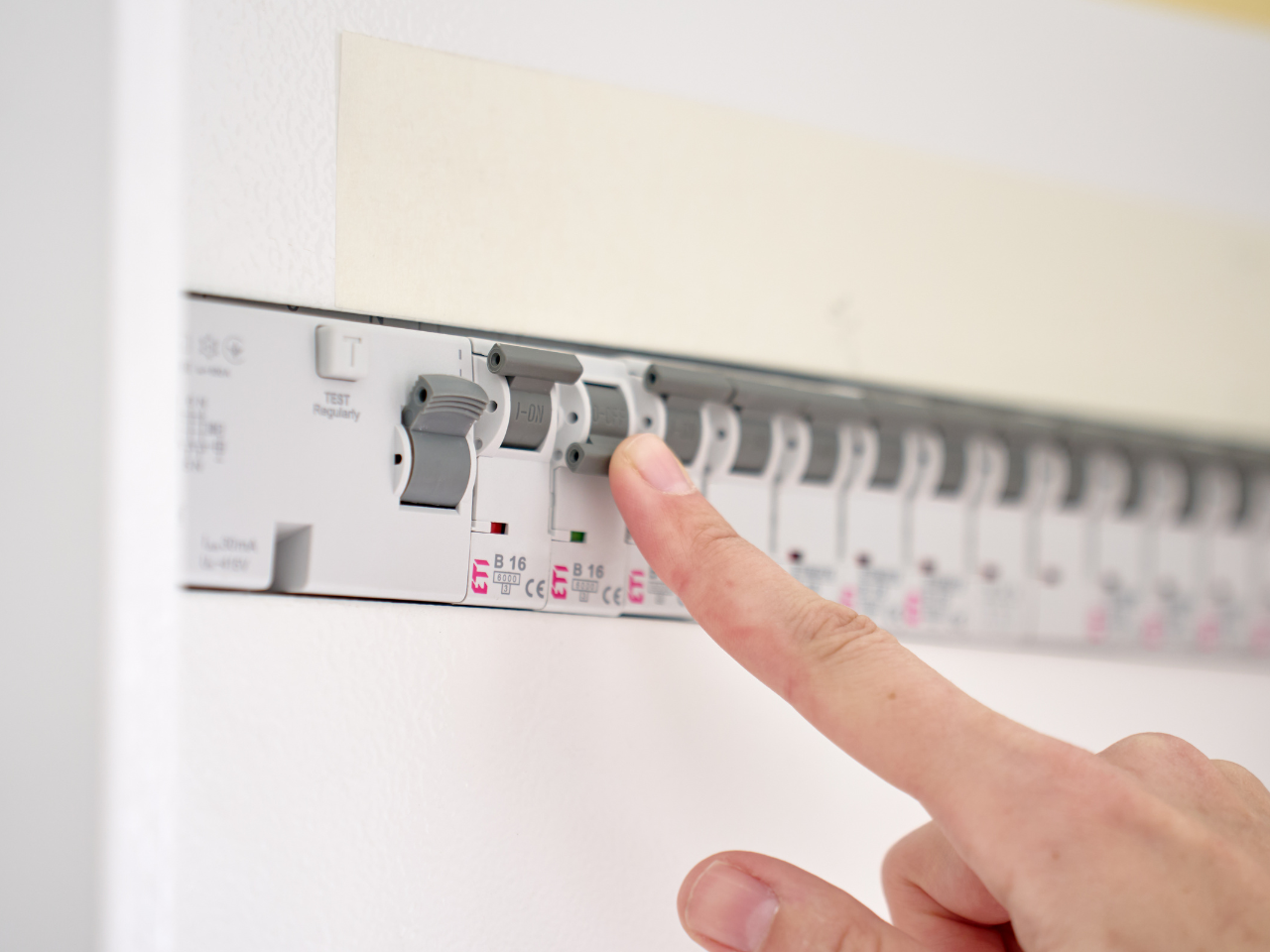
If your circuit breaker keeps tripping, it usually means something within your electrical system is no longer operating safely. While a tripping breaker can sometimes be caused by a simple circuit overload, repeated circuit breaker tripping may also point to faulty appliances, damaged wiring, overloaded electrical circuits or a more serious electrical fault.
Circuit breakers are designed to protect your home from electrical hazards by shutting off power when dangerous conditions are detected. Although this can be frustrating, especially during power outages or when appliances suddenly stop working, a tripping breaker is often warning you that something needs attention.
At Triforce Electrical & Air, our licensed electricians help homeowners across Brisbane identify the common causes of tripping circuit breakers and carry out safe electrical repairs when required.
What Does a Circuit Breaker Actually Do?
A circuit breaker is a safety device located inside your switchboard or electrical panel. Its job is to monitor the electrical current flowing through a circuit and shut off the power if unsafe conditions are detected.
This helps protect:
- electrical wiring
- outlets and switches
- appliances
- lighting circuits
- the overall electrical system
Without circuit breakers, excessive electrical current could continue flowing through damaged wiring or overloaded circuits, increasing the risk of electrical fires, electrical shock and damage to appliances.
Modern homes use circuit breakers instead of older ceramic fuses because they provide faster and more reliable electrical safety protection.
Common Reasons a Circuit Breaker Keeps Tripping
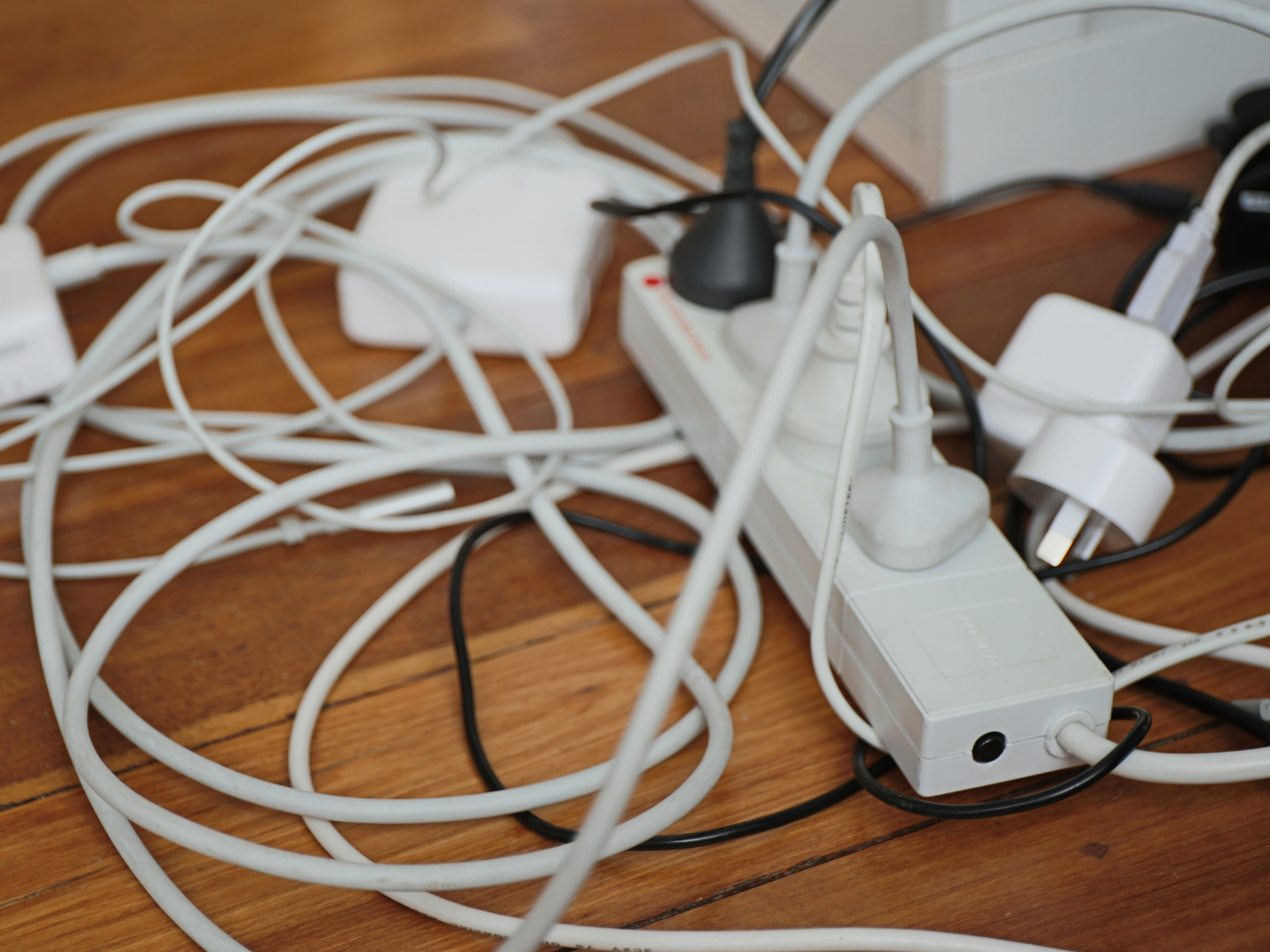
There are several common reasons why a breaker may continue tripping. Some issues are relatively minor, while others may indicate serious electrical problems that should be inspected by a professional electrician.
Circuit Overload
One of the most common causes of a tripping breaker is a circuit overload.
This happens when too many appliances or electrical devices are operating on the same circuit at the same time. Every electrical circuit has a maximum electrical load it can safely handle. If the electrical demands become too high, the breaker will shut off power to protect the circuit.
Common examples include:
- running multiple appliances on a single circuit
- using kettles, microwaves and toasters together
- portable heaters drawing excessive power
- air conditioners operating during hot weather
- overloaded kitchen or garage circuits
Older homes in Brisbane are especially prone to circuit overload problems because many were not designed to support modern electrical power usage.
Faulty Appliances
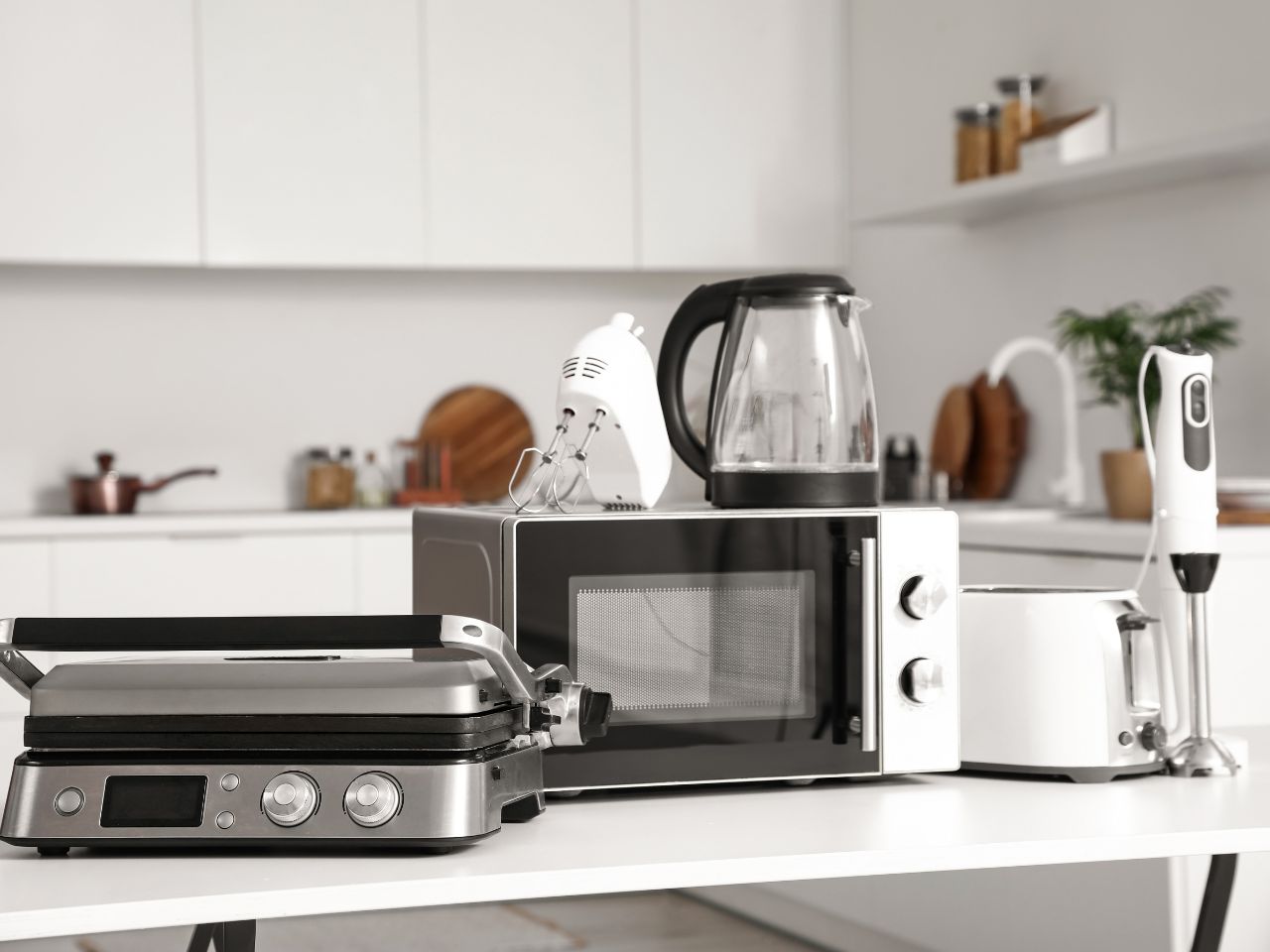
Faulty appliances are another major cause of circuit breaker trips.
Electrical appliances such as dishwashers, washing machines, fridges and air conditioners can develop internal electrical faults over time. When this happens, the appliance may draw too much current or create an unsafe electrical fault that causes the breaker to trip.
Some signs an appliance may be causing the issue include:
- The breaker trips only when the appliance runs
- Power cuts out midway through a cycle
- The appliance causes lights to flicker
- The breaker trips during startup
For example, an older air conditioner may trip the breaker during periods of high demand, while a dishwasher with a damaged heating element may repeatedly trip power during use.
If you suspect faulty appliances are causing the issue, unplugging them one at a time may help identify the affected circuit.
Short Circuit
A short circuit occurs when electricity flows through an unintended path with very little resistance. This can generate excessive heat very quickly and create serious electrical hazards.
Short circuits are commonly caused by:
- damaged wiring
- loose connections
- damaged electrical components
- deteriorated insulation
- faulty outlets and switches
Signs of a short circuit may include:
- burning smells
- sparks
- black marks near outlets
- sudden power loss
- Repeated tripping breaker problems
Because short circuits can increase the risk of electrical fires and electrical shock, they should always be inspected by a licensed electrician as soon as possible.
Ground Fault
A ground fault is similar to a short circuit but involves electrical current flowing outside the intended circuit path and into the ground.
Ground faults are especially common in:
- bathrooms
- kitchens
- outdoor outlets
- garages
- pool areas
Moisture, damaged wiring or faulty appliances can all contribute to ground fault issues.
Safety switches and circuit breakers are designed to respond quickly when ground faults occur to help prevent electrocution and other serious electrical safety risks.
Can a Faulty Circuit Breaker Cause Tripping?
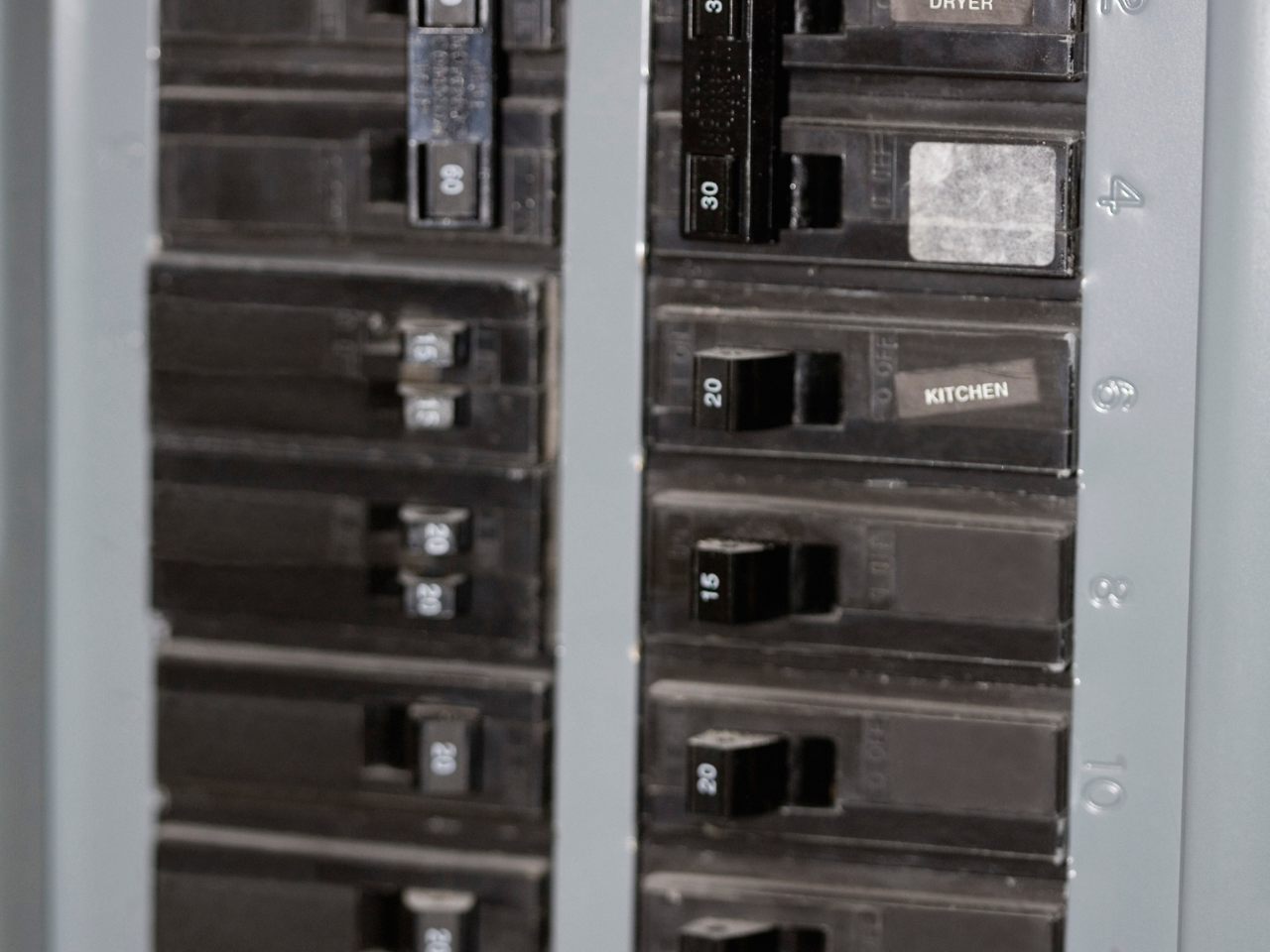
Yes. In some situations, the problem may actually be the breaker itself.
Like all electrical components, circuit breakers can wear out over time. A faulty breaker or bad breaker may trip more easily than it should, even when the electrical load is normal.
Signs of faulty circuit breakers may include:
- frequent tripping with no obvious cause
- breakers feeling hot to touch
- buzzing sounds from the breaker panel
- breakers refusing to reset
- Inconsistent power to the affected circuit
Older switchboards and service panels may also contain ageing breakers that no longer respond properly to modern electrical demands.
In these situations, fault finding and electrical troubleshooting may be needed to determine whether the issue is caused by the breaker, the wiring or another part of the electrical system.
Electrical Safety Risks You Shouldn’t Ignore
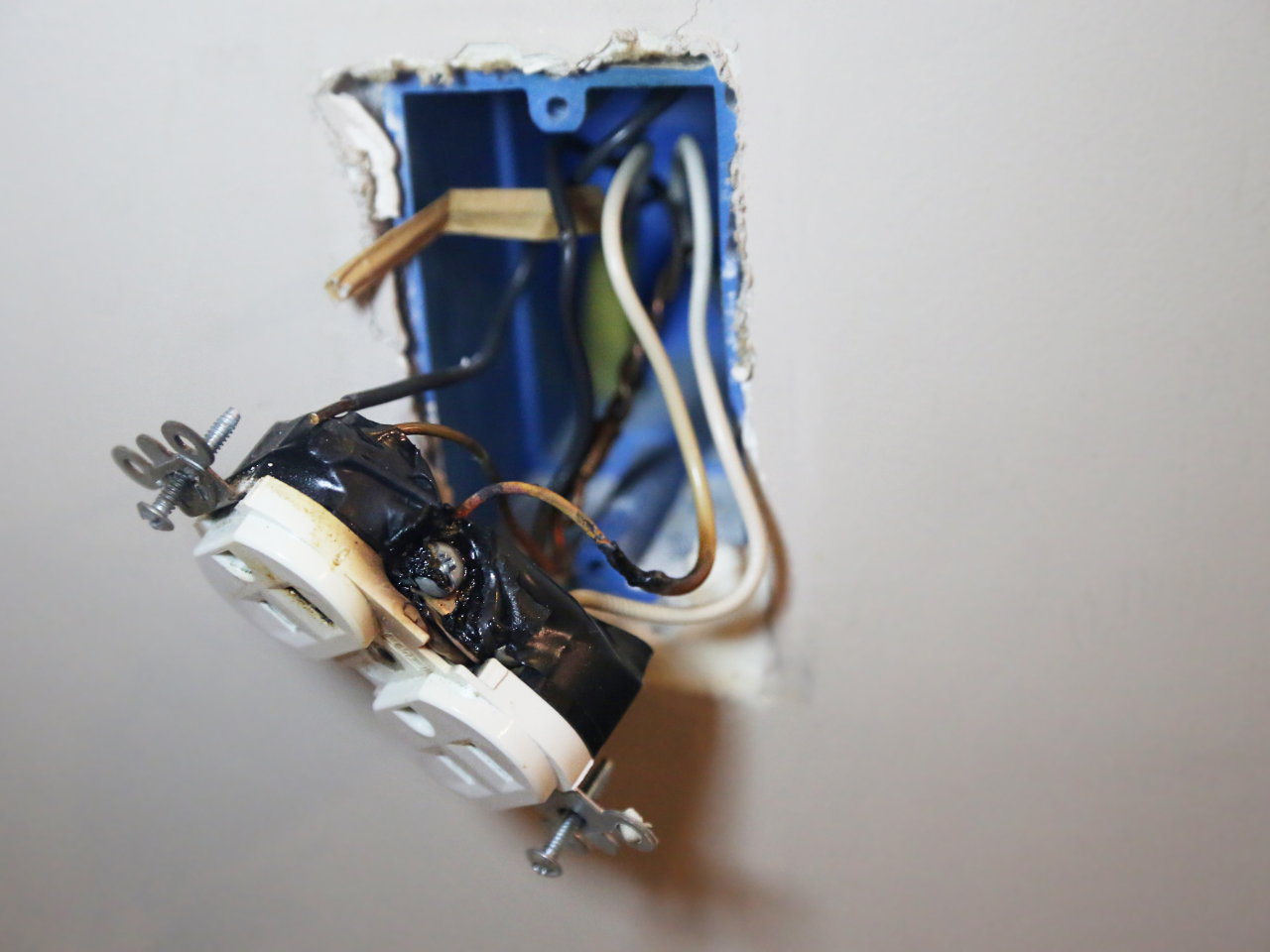
While some homeowners simply reset the breaker and continue using the circuit, frequent tripping should never be ignored.
Repeated circuit breaker trips can indicate:
- overloaded electrical circuits
- damaged wiring
- loose electrical connections
- faulty appliances
- excessive electrical current
- hidden electrical faults
If left unresolved, these electrical problems may increase the risk of:
- electrical fires
- electrical shock
- electrocution
- power outages
- damage to appliances
- overheating electrical components
A tripping breaker is designed to warn you when something may be unsafe. Ignoring the warning signs can allow electrical damage to worsen over time.
What You Can Safely Check Before Calling an Electrician
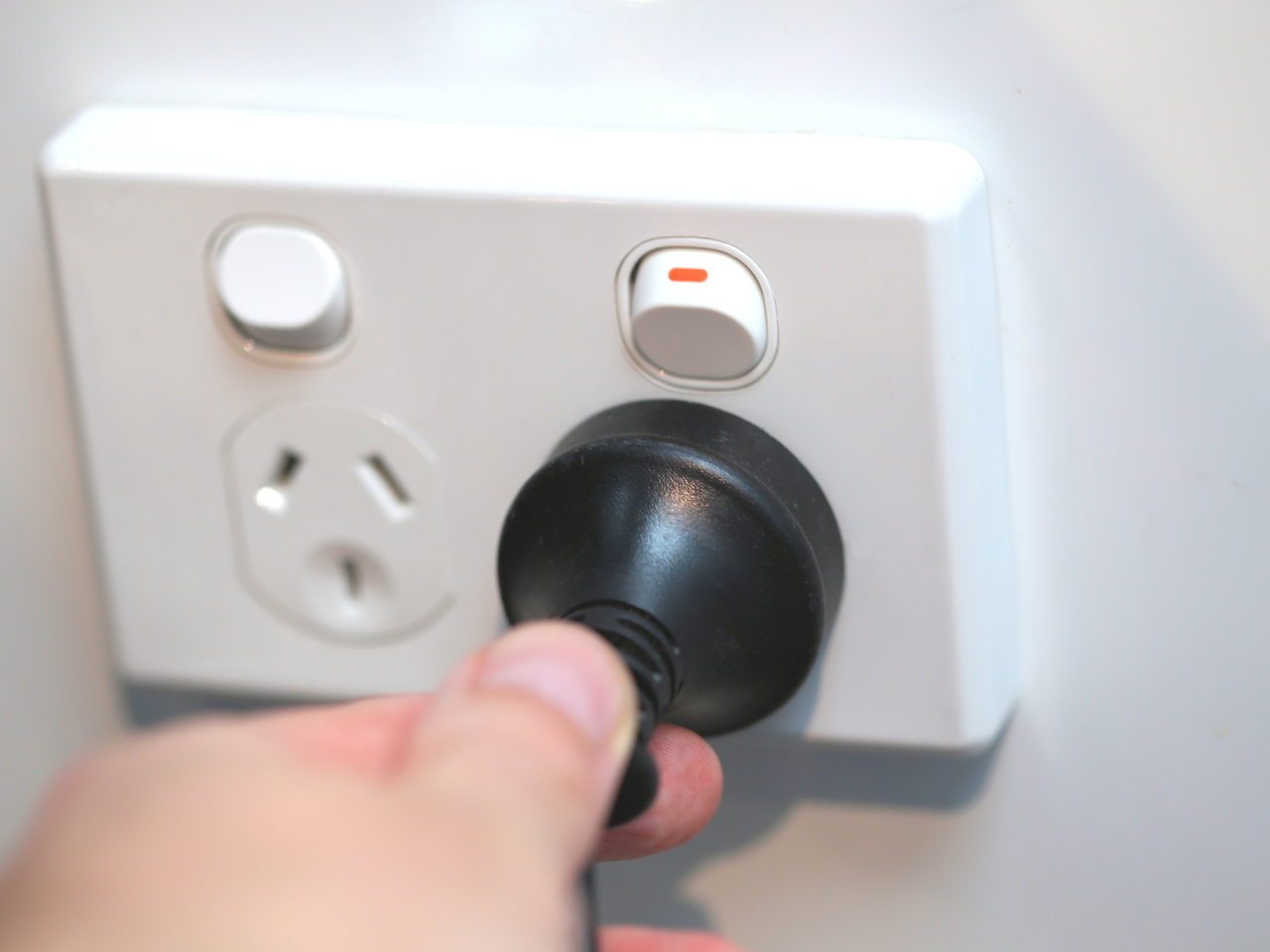
There are a few safe troubleshooting steps homeowners can try before contacting a local electrician.
You can:
- Unplug multiple appliances from the same circuit
- Reset the breaker once
- Identify which outlets or lights lost power
- Check whether one appliance consistently causes tripping
- Avoid using high-power appliances together
For example, if the breaker only trips when a heater and microwave are operating together, this may indicate a circuit overload rather than a damaged breaker.
However, homeowners should never attempt electrical repairs inside the breaker panel, service panel or electrical wiring. Working around live electricity can be extremely dangerous and may lead to electrical shock or serious injury.
If the breaker continues tripping after basic troubleshooting, it is best to contact a qualified electrician.
Older Brisbane Homes and Tripping Circuit Breakers

Many older Brisbane homes experience frequent tripping because the original electrical system was not designed for modern electrical power demands.
Older homes may still contain:
- outdated wiring
- old breaker panels
- ceramic fuses
- undersized electrical circuits
- limited dedicated circuits
Years ago, homes operated with far fewer electrical appliances. Today, many households run:
- air conditioners
- multiple fridges
- dishwashers
- washing machines
- gaming systems
- large entertainment setups
This increased electrical load can place significant pressure on older electrical systems, especially where many appliances operate on a single circuit.
In some cases, upgrading to separate circuits or installing a dedicated circuit for high-power appliances may improve electrical safety and reduce frequent tripping.
Circuit Breaker vs Safety Switch: What’s the Difference?
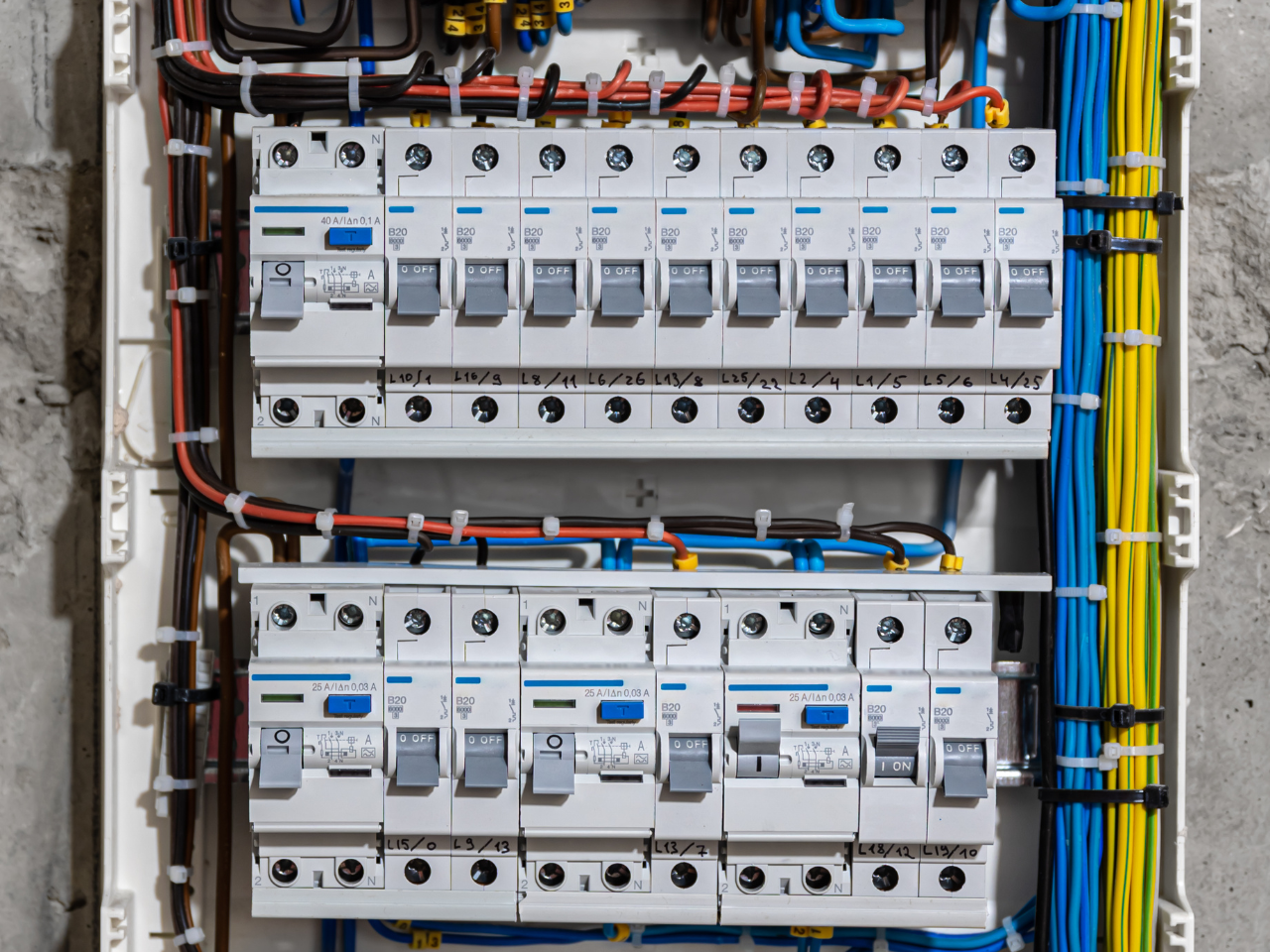
Many people assume a safety switch and circuit breaker perform the same job, but they protect your home in different ways.
A circuit breaker protects electrical circuits and wiring from overloads and short circuits. It shuts off electrical power when unsafe electrical current levels are detected.
A safety switch, also known as an RCD, protects people from electric shock and electrocution by detecting faults involving electrical current leakage.
Modern switchboards typically use both:
- circuit breakers for circuit protection
- safety switches for personal electrical safety
Both are important parts of a safe electrical system.
When to Call a Professional Electrician
If your breaker keeps tripping regularly, it is important to have the electrical system inspected properly.
You should contact a professional electrician if you notice:
- frequent tripping
- burning smells
- buzzing breakers
- flickering lights
- power outages
- sudden surge events
- damaged outlets and switches
- breakers that will not reset
At Triforce Electrical & Air, our electricians provide electrical troubleshooting, fault finding and electrical repairs across Brisbane. We inspect electrical circuits, identify faults safely and help homeowners restore reliable electrical power throughout the home.
Whether the issue involves faulty wiring, overloaded circuits, faulty appliances or switchboard problems, our team can help identify the cause and recommend the safest long-term solution.
Need Help With a Tripping Circuit Breaker?
If your circuit breaker keeps tripping, don’t ignore the warning signs. Ongoing electrical faults can increase safety risks and may eventually lead to more serious electrical problems within the home.
Triforce Electrical & Air provides professional electrical repairs, fault finding and switchboard services across Brisbane, helping homeowners maintain safe and reliable electrical systems.
Call 0485 869 815 or book online today to organise an inspection with a licensed electrician.