Aircon maintenance
How to Extend the Lifespan of Your Air Conditioner
Simple habits and a bit of TLC can help your air conditioner run efficiently and avoid costly breakdowns for years beyond its use-by date.
Where to start
Airflow Is Everything
Let’s be honest — an air conditioner is a big investment for your property. Whether you’ve got a ducted system cooling your whole house or a trusty split system cooling your home office, you want to ensure it does its job in the most efficient and effective way possible for the longest time possible.
The good news? With just a bit of guidance from your air conditioning expert, some TLC and a few simple habits, your air conditioner can keep running smoothly for years beyond its “best before” date.
So, if you’re a homeowner who wants to avoid sweaty summers, surprise breakdowns, expensive repairs and worst of all, premature replacement of your air conditioner — here are our top practical, no-nonsense tips to extend the life of your air conditioner.
1. Clean or Replace Your Filters Regularly
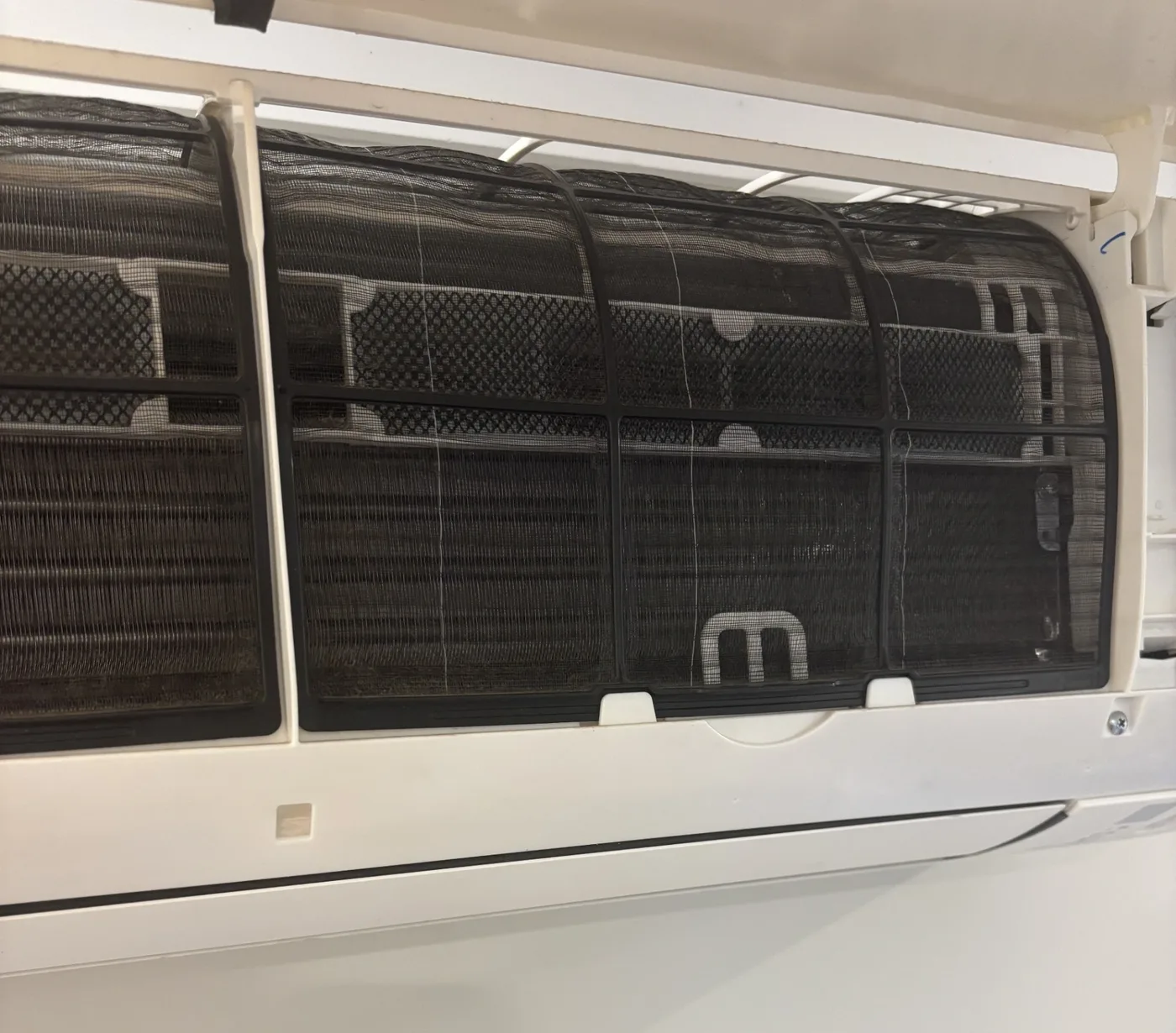
Air flow is critical to the performance of your air conditioner. Clean filters not only keep the heat exchanger clean from environmental dust and dirt, but also allow air to flow over the heat exchanger (commonly called “coils”).
When filters get clogged up with dust and grime, your system has to work harder just to do its job (or won’t do its job at all) and will be significantly noisier. That extra strain wears it down faster and can lead to higher power bills.
If your filter is cleaned regularly (we recommend cleaning your filter monthly), simply vacuuming or running the filter under water will be enough to keep it clean. If you are cleaning your filter with water, ensure the filters are dry before they’re placed back in the air conditioner.
What to do: Check and clean your filters every 1–2 months during peak use. Filters should not show any signs of mould. If you have a ducted air conditioner, your filters may need to be replaced periodically depending on several factors like the frequency you use your ducted air conditioner, your return air filter placement and how frequently the filter is cleaned.
Outdoor unit
Don’t Box In Your Outdoor Unit
2. Give the Outdoor Unit Some Space
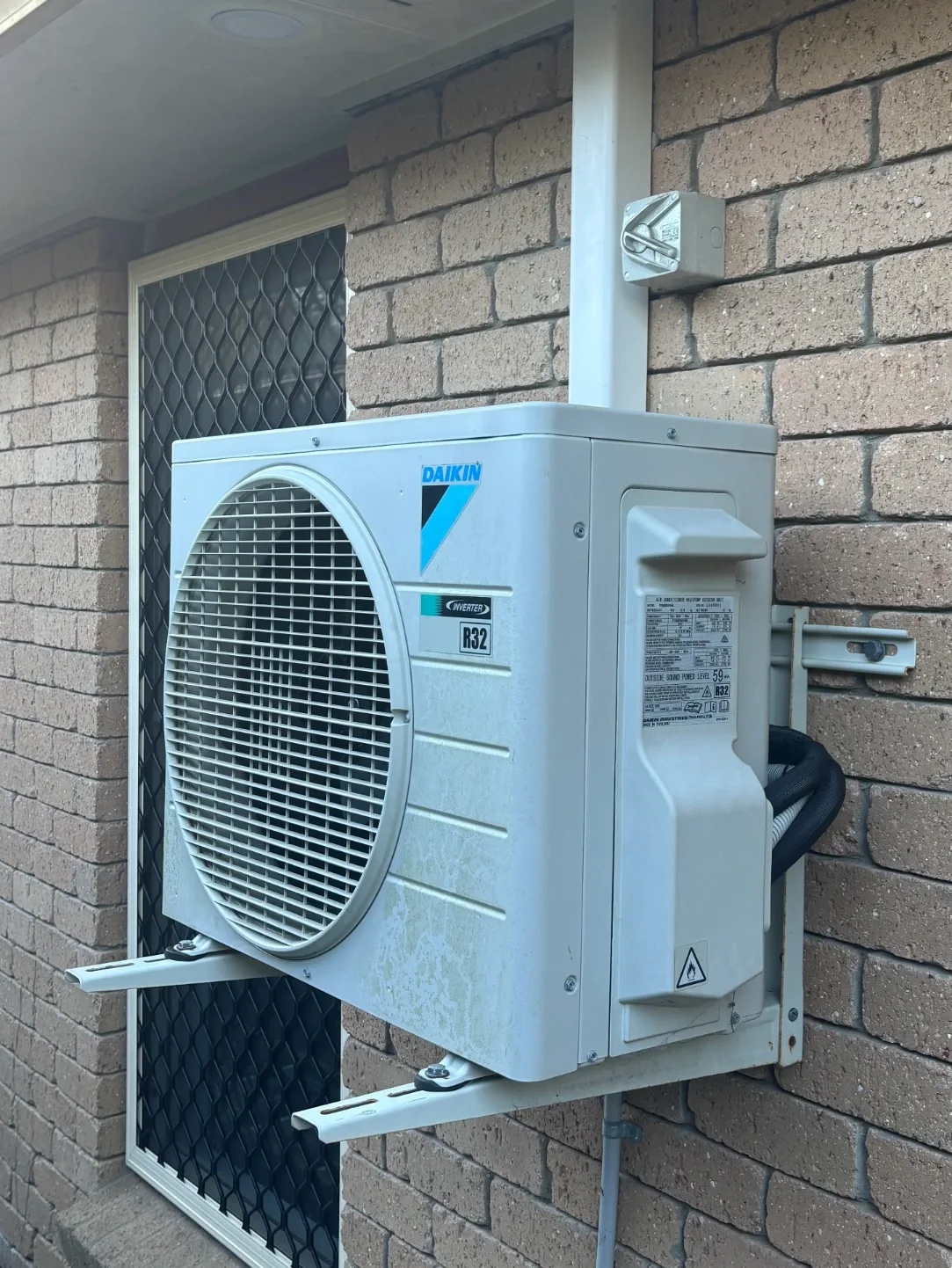
Your outdoor unit (that big metal box outside) needs room to breathe too. If it’s surrounded by overgrown plants, dirt, or stacked-up junk, it can overheat or struggle to release hot air properly. While a cover might look nice, it can seriously affect the performance of the system.
Just like the indoor unit, airflow is critical to your air conditioner’s performance and longevity. Too often we see an air conditioner that has been covered with an enclosure that restricts or even prevents airflow completely, and can even make repairs and maintenance impossible due to lack of access to the outdoor components.
What to do: Have a discussion with your installer and ensure the system has been installed with clearances as per the manufacturer’s installation instructions. If we inspect the outdoor unit installation area and identify that there is potential for flooding during heavy downpour, that leaf litter could potentially build up, or there is a lawn nearby, we may suggest installing the outdoor unit on a wall bracket. Things you can do to protect your air conditioner are to trim back bushes, sweep away leaves, and keep it clean of pet and animal fur. It’s like giving your air conditioner its own little backyard zone.
Getting it right
Size, Settings and Sensible Use
3. Ensure the Right Size Air Conditioner Is Installed For Your Needs
Before going out and purchasing a new air conditioner yourself, always consult with an experienced air conditioning contractor to ensure the correct size system is installed to suit your needs.
An air conditioner that is too small may save a few dollars up front, but you’ll pay with poor performance and heavy wear and tear on the system. A larger system than necessary doesn’t mean quicker or better cooling or heating; you’ll pay more up front for a larger unit that will consume more power than is necessary to heat or cool the space.
What to do: Always consult with an experienced and reputable air conditioning contractor to assist with installing the correct size system for your needs.
4. Don’t Push It Too Hard
Setting your thermostat to “Arctic Blast” levels might feel great on a hot day, but it puts unnecessary pressure on your system. Constantly running at max power wears out the components faster.
Your air conditioner does most of the heavy work during the first hour of use when it initially heats or cools a space. We’d recommend that a system is left on a sustainable, comfortable temperature once the room reaches the desired temperature, rather than switching the system off.
What to do: Stick to a comfortable, consistent temperature — around 23–25°C in summer is ideal. Your unit will work more efficiently and last longer without the unnecessary workload.
Reduce the workload
Take the Load Off Your System
5. Shut the Doors and Windows (and Block the Sun!)
If your home leaks cool air like a sieve, your air conditioner will have to work overtime to cool or heat your property. That’s bad news for its lifespan and your power bill.
What to do: Close doors to unused rooms, seal up draughts, and use curtains or blinds to block out direct sunlight. These small changes can take a big load off your air conditioner. Ensuring insulation has been installed in your ceiling space is also a great way to passively reduce the load on your air conditioner.
Ongoing care
Servicing and Early Warning Signs
6. Get Your Air Conditioning System Serviced Regularly
Just like a car needs to be serviced to stay in top shape, your air conditioner needs an occasional check-up. A professional technician can spot small issues before they turn into expensive breakdowns.
What to do: Book a professional service at least once a year — ideally before summer hits. We’ll check the refrigerant levels, the drainage, clean the coils, test the system, and make sure everything’s running like clockwork.
7. Don’t Ignore Strange Noises or Smells!
If your air conditioner starts making weird rattles, buzzing noises, displaying a fault code or giving off funky smells — don’t pretend it’s not happening. It usually means something’s not quite right, and by continuing to run the system you may be risking further damage to the air conditioner.
What to do: Call in a professional ASAP. Catching a small issue early could save you from a full system failure later.
In summary
Final Thoughts: A Little Love Goes a Long Way
Your air conditioner works hard to keep you cool (or warm). By choosing a reputable installer and keeping up with some regular maintenance, your air conditioner will serve you well for many years.
These simple steps don’t take much time or money, but they do make a huge difference!
If it’s been a while since your system had a proper check up, or if you’re not sure how it’s holding up, give us a call at Triforce Electrical and Air. We’re local, experienced, passionate about what we do, and happy to help you get the most out of your air conditioning system — without the sweat.
Looking for more advice like this? Browse our Information & Advice hub for practical electrical and air conditioning tips, or find out more about our air conditioning servicing.
Not sure how your system’s holding up?
Book a professional service
Our technicians can check refrigerant levels, clean the coils, and help your air conditioner run smoothly for years to come.
Get in touch
Ready to get more life out of your air conditioner?
Give Triforce Electrical and Air a call — we’re local, experienced, and happy to help you keep cool without the stress.