
Smoke alarm legislation guide
Queensland Smoke Alarm Laws: What Every Homeowner, Landlord and Tenant Needs to Know
Understanding Queensland's smoke alarm requirements could save your life – here's what the law requires before the 2027 deadline.
Why it matters
Smoke Alarms Are Your First Line of Defence
Did you know that most fires that result in death start in the lounge room or the bedroom? Smoke alarms are the first line of defence against fire, and under Queensland legislation they must be installed in all homes, rental properties and caravans.
This legislation has changed over the past few years, and the Queensland Fire Department has given homeowners a deadline to bring their homes up to standard. The safety of your home and family depends on staying up to date with the latest smoke alarm requirements.
Our team of qualified electricians stay up to date with current Queensland smoke alarm legislation and are happy to answer any questions you may have. Contact us today or call 07 3520 7135.
Current legislation
Understanding the New Queensland Smoke Alarm Laws
Queensland's smoke alarm legislation has been introduced in stages. New requirements for smoke alarms first came into effect on 1 January 2017, and domestic dwellings being leased or sold had to comply from 1 January 2022. From 1 January 2027, every home in Queensland – including owner-occupied properties – must have compliant smoke alarms installed.
By this final deadline, all homes and properties will need photoelectric smoke alarms that are interconnected, meaning if one goes off, they all go off. These smoke alarms must either be hardwired to your home's main power supply or be a 10-year battery-powered type.
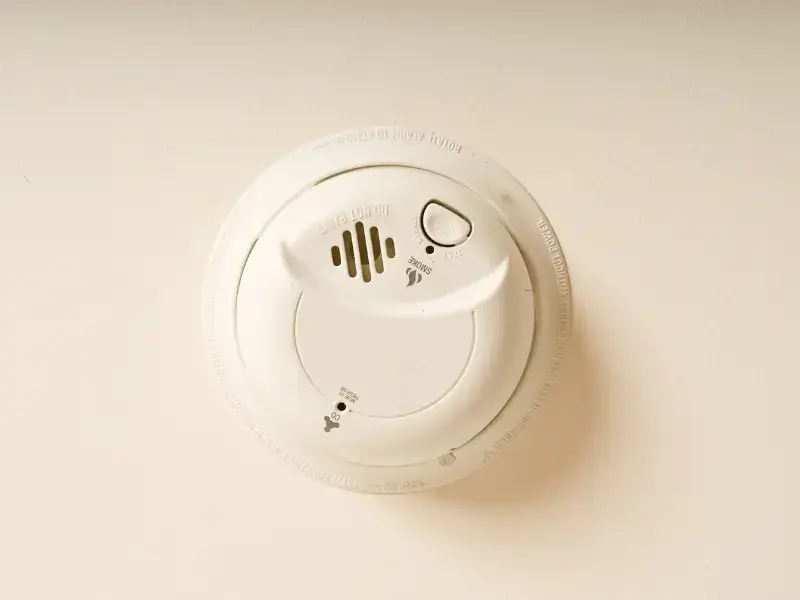
Any existing smoke alarm that is more than 10 years old, or that doesn't operate when tested, must be replaced with a photoelectric alarm that complies with Australian Standard AS 3786-2014 and does not contain an ionisation sensor. Not sure how old your smoke alarm is? Most smoke alarms have their manufacture date stamped on the back.
According to the legislation, smoke alarms need to be installed:
- On every storey of your home
- In every bedroom
- In hallways that connect bedrooms
- In hallways that connect other parts of the property
- If a level of your home doesn't have bedrooms, at least one smoke alarm needs to be installed on the likely exit route of the property
Know your obligations
Smoke Alarm Requirements for Different Types of Properties
Rental Properties
Landlords are responsible for installing and maintaining a rental property's smoke alarms. They must test and clean every smoke alarm, and replace any flat or nearly flat batteries, within 30 days before the start or renewal of a tenancy. Any smoke alarm that doesn't operate when tested, or isn't compliant, must be replaced immediately – heavy fines apply for non-compliant alarms. If you manage a rental property and aren't sure your alarms comply, our licensed electricians can check and bring them up to standard.
Owner-Occupier Homes
While the deadline for owner-occupied homes is 2027, early compliance is highly recommended. Homeowners are responsible for organising regular testing and maintenance of their smoke alarms to keep them in working order, and should replace any expired alarm or any alarm that isn't interconnected or photoelectric.
Caravans and Motorhomes
If you live in a caravan or motorhome, Queensland law requires at least one working photoelectric smoke alarm to be installed where the bed is.
Fire Alarms for the Deaf and Hard of Hearing
To ensure fire safety for the hearing-impaired community, specialised smoke alarms use a mixture of visual and tactile alerts. A flashing strobe light with a connected vibration pad plugs into a power point, usually at the bedside table, with the vibration pad placed under the pillow. The alarm connects wirelessly to the main smoke alarm and activates through flashing lights and a vibrating pad when triggered (or when the "test" button is pressed), giving residents time to evacuate safely. For more information, and to find out about installation subsidies, visit the Deaf Services Smoke Alarm Subsidy Scheme.
Placement matters
Correct Placement and Clearances
Smoke alarms are typically installed on the ceiling. To be compliant, they must not be placed within:
- 300mm of a corner where a wall and ceiling meet
- 300mm of a light fitting
- 400mm of an air-conditioning vent
- 400mm of the blades of a ceiling fan
How to Avoid Nuisance Alarms
When smoke alarms keep going off for no good reason, it's tempting for people to remove the batteries or disable an interconnected system – which leaves the whole home unprotected. Nuisance alarms are usually avoided by not installing smoke alarms:
- In dead air space – an area where trapped hot air can stop smoke from reaching the alarm, typically at the apex of cathedral ceilings, the corner junction of walls and ceilings, and between exposed floor joists
- Near windows, doors, fans or air-conditioners, where excessive air movement can prevent smoke and gases from reaching the alarm
- In or near kitchens, where cooking smoke can set them off, or in or near bathrooms, where steam often causes accidental alarms
Who does what
Tenant and Landlord Responsibilities
Property owners and managers have a duty of care to ensure their rental properties are electrically safe for tenants and anyone who visits or works on the premises. When it comes to smoke alarms, that duty is shared between landlord and tenant.
Tenant Responsibilities
- Test and clean each smoke alarm in the dwelling at least once every 12 months
- Test by pressing the "test" button, and clean according to the manufacturer's instructions (usually vacuuming)
- Replace flat or nearly flat batteries
- Tell the property owner or agent if there's a problem with a smoke alarm, other than a flat battery
- Allow the property owner or agent access to install, test or replace smoke alarms
- Never remove or tamper with a smoke alarm or its battery, except to test it, clean it or replace the battery
Landlord Responsibilities
- Install compliant photoelectric, interconnected smoke alarms throughout the property
- Test and clean every smoke alarm, and replace flat or nearly flat batteries, within 30 days before the start or renewal of a tenancy
- Replace any smoke alarm that doesn't operate when tested, or isn't compliant, immediately
- Keep records of testing and maintenance to demonstrate ongoing compliance
Non-compliance
What Are the Consequences of Non-Compliance?
Beyond the immediate risk to you and your family's safety, failing to comply with Queensland's smoke alarm legislation can lead to significant fines, penalties, and even legal trouble. In the event of a fire, insurance claims may be refused, leaving homeowners and landlords facing costs they could otherwise have avoided.
If you're selling your home and your smoke alarms aren't interconnected and photoelectric, it can also cause delays during the settlement process.
Why choose Triforce
Not Sure If Your Smoke Alarms Comply?
Our licensed and insured electricians can check your existing alarms against current Queensland legislation and bring your property up to standard before the 2027 deadline.
Further information
References
- REIQ – Smoke Alarm Requirements
- Queensland Fire Department – Smoke Alarms
- Queensland Fire and Emergency Services – Smoke Alarm Legislation
- SATS – Smoke Alarm Regulations for Queensland Home Owners and Sellers
- The Smoke Alarm Guys – Understanding Queensland's Smoke Alarm Legislation
Looking for more guides like this one? Browse our Information & Advice hub for practical electrical and air conditioning advice, or find out more about our smoke alarm installation and testing service.
Local expert electricians
Get Your Smoke Alarms Compliant Before the Deadline
If you have any questions about Queensland's smoke alarm legislation, don't hesitate to give our qualified and insured electricians a call.