
How to Fix a Mouldy Air Conditioner Safely
Air conditioners are an essential climate control system for homes and businesses, particularly in regions that experience extreme temperatures. Whether it's a sweltering summer or a cold winter, air conditioning provides the indoor comfort we rely on year-round. Keeping your AC clean and odour-free is vital for healthy indoor air quality and peak performance. A common problem that can be addressed through proper maintenance and general cleaning is mould spores and mould growth – and if your system needs a full unit replacement rather than a clean, our air conditioning installation team can help.
Why Does Mould Grow in Air Conditioners?
Your air conditioner is a valuable investment, and to keep it in good condition and performing efficiently it's important to regularly inspect it for signs of mould. Air conditioners provide ideal conditions for mould and spores to grow and thrive, as excessive moisture and condensation often accumulate within the system, creating the perfect environment. Poor air circulation and ventilation – air not flowing freely through the unit and ducts – is another common contributor.
Signs of Mould in Your Air Conditioner
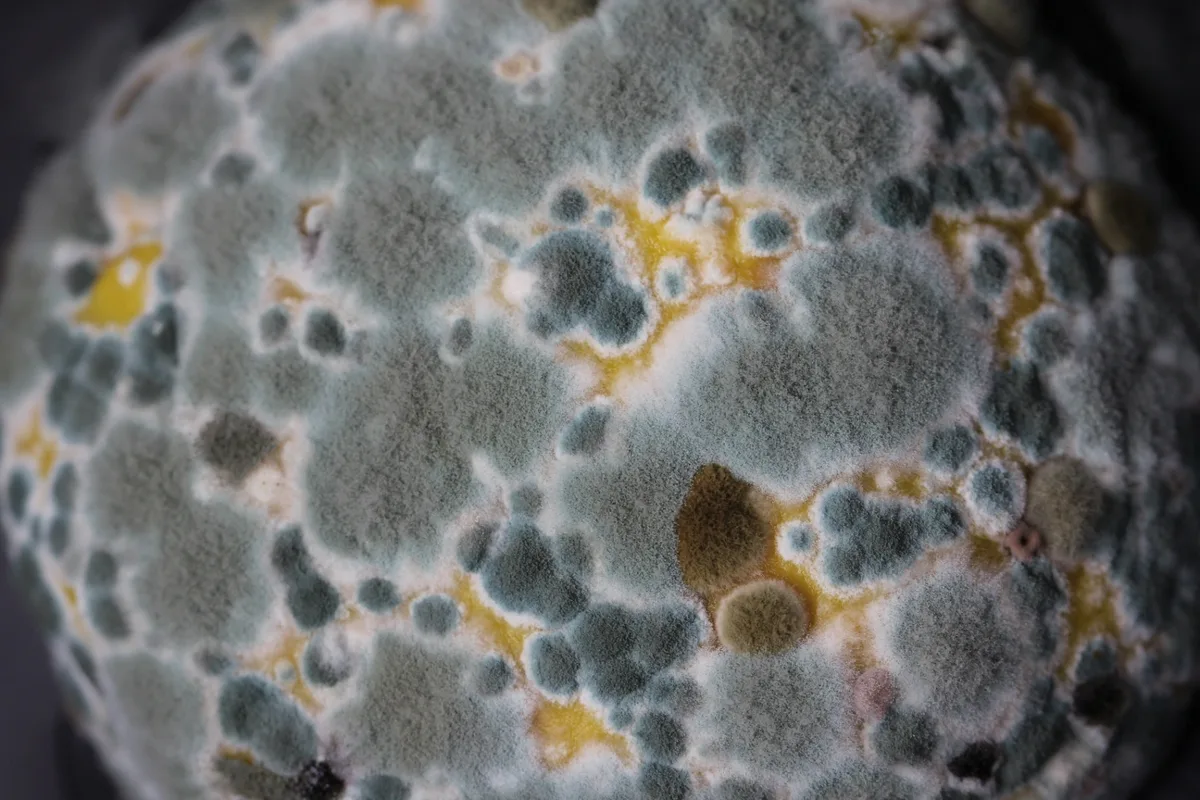
Finding signs of mould in your air conditioner can at times be easy, as you might spot it with a general inspection around your unit. It can appear as dark patches or fuzzy growths on the unit's surface and around the vents. If you notice any discolouration around your AC, mould has likely started growing and needs to be removed before it really takes hold. Musky odours and the sudden development of respiratory problems or allergies in household members can also be a sign of mould growth in your air conditioner.
Steps to Clean and Fix a Mouldy Air Conditioner
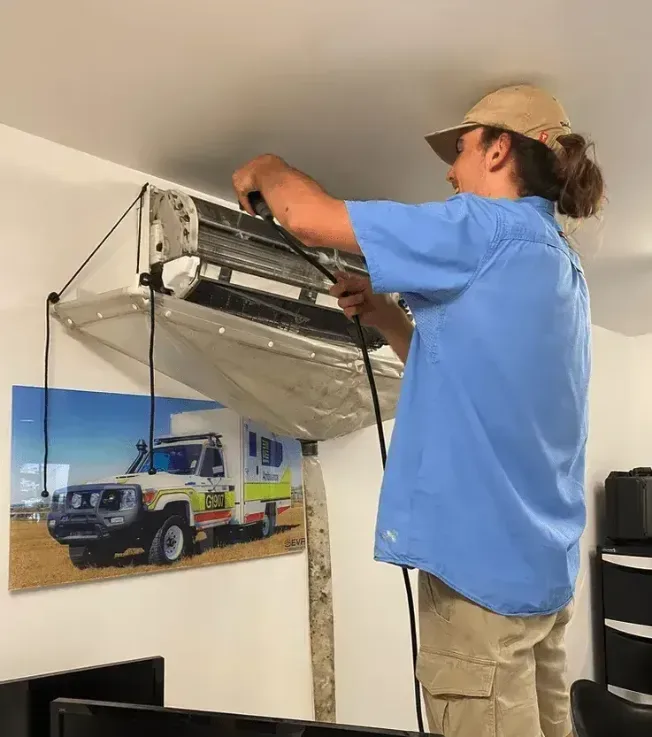
Cleaning your air conditioning unit can be carried out as a DIY job by the homeowner by following a few simple steps. Before you take this task on, it's important to consider that improper cleaning might spread mould spores, potentially worsen the problem, and pose health risks. Air conditioning specialists are trained and experienced, and have the right equipment to safely and thoroughly tackle mould issues. Check the manufacturer's manual for guidance before you start your DIY cleaning, and bear in mind that if the mould problem persists it could be due to an underlying issue – poor drainage or excessive humidity could be the cause of recurring mould problems. An air conditioning technician can swiftly diagnose and resolve the problem before it escalates and requires costly repairs. DIY steps to follow:
- Always unplug the air conditioner to avoid electrical hazards before starting the cleaning process.
- Wear gloves, a face mask to avoid inhaling mould spores, and safety glasses.
- Most air conditioners have removable filters – if the filter is too mouldy to clean, replace it.
- Wash the air filter using warm water and a mild detergent. For stubborn mould, soak the filter in a mixture of 1:1 water and white vinegar for 30 minutes. Rinse thoroughly and let it dry completely before reattaching it.
- Use a soft brush to gently clean the evaporator coils, which may have mould. If they're especially mouldy, you can clean them with a mixture of vinegar or hydrogen peroxide and water (1:1 ratio), carefully applied with a spray bottle or sponge so you don't damage the coils.
- Gently clean the fins with a brush to remove any dirt or mould.
- Use a microfiber cloth or a sponge to wipe down the interior surfaces of the air conditioner where you see mould.
- Air conditioners have a drain line that helps remove moisture – a clogged or dirty line can encourage mould growth. Clean the line using a vacuum or by flushing it with a mixture of water and vinegar.
- Use a damp cloth to wipe down the outside of the air conditioner.
- Before reassembling and plugging the unit back in, make sure all parts, especially the filter, are completely dry.
- Finally, after reassembling the unit, run the air conditioner on the fan setting for about 30 minutes to remove residual moisture.
How to Prevent Future Mould Growth
Once you have cleaned your AC unit, you will want to make sure the mould does not reappear and start growing again. To keep your AC clean and mould-free, regularly clean the filter and coils. For added protection you can use a dehumidifier to reduce moisture in the air, and keep the area around the air conditioner well-ventilated to prevent excess humidity.
Recommended Supplies for Successful AC Cleaning
As cleaning an air conditioner is a manageable task for homeowners, preparation is essential. You may find specific air conditioner cleaning supplies such as mould-resistant spray in stores, but you probably have most of what you need on hand, including:
- Screwdriver to remove panels if necessary
- Vacuum to remove loose dust
- Flashlight for hard-to-see areas
- Face mask
- Gloves
- Bucket
- Protective eyewear
- Soft brush or sponge
- Dish soap or mild detergent
- White vinegar or hydrogen peroxide
- Microfiber cloth
Once your air conditioner has been thoroughly cleaned and wiped over, you can breathe easy knowing your AC is mould-free and your indoor air quality is clean and healthy. If the problem keeps coming back, or you'd rather leave it to the professionals, get in touch with our team and we'll get it sorted safely.
Resources: How to clean your air conditioner | CHOICE
Not sure whether your system needs a clean, a service, or sizing advice for a new install? Our air conditioning guidelines & sizing guide can help.