
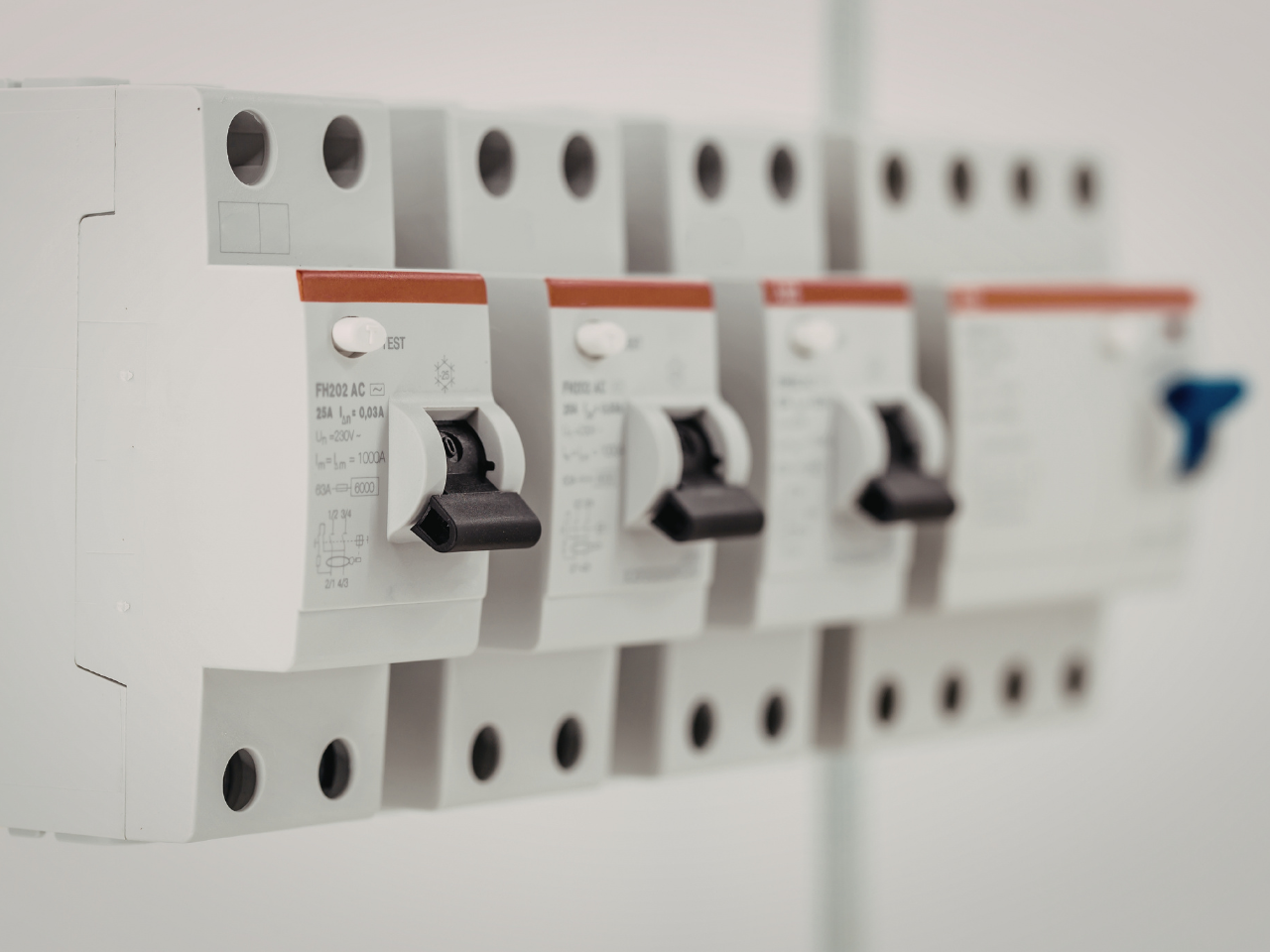
Safety switches
Safety Switches
Safety switches protect your family from electric shock, but most people never think about them until something goes wrong. Our licensed electricians install, test, repair and upgrade safety switches across Brisbane and Logan.
The basics
What Is a Safety Switch, and Is It Compulsory?
A safety switch — also known as a residual current device, or RCD — is a device that protects you from electric shock. It constantly monitors the electrical current flowing through a circuit, and if it senses a problem like a damaged cable, a wet power point or a faulty appliance, it quickly shuts off the power to keep you safe. "RCD" and "safety switch" describe exactly the same device, and the two terms are used interchangeably throughout the electrical industry.
In Queensland, safety switches are compulsory on all power circuits. Many older homes don't have enough protection, or only have a single safety switch covering part of the property. If any of the following sound familiar, it's worth having your switchboard assessed for a new installation, upgrade or replacement:
- Your home only has one safety switch instead of one per circuit
- You've added new appliances or circuits since it was last assessed
- You're renovating or extending your home
- Your switchboard is older or hasn't been inspected in years
Even where a home already has a safety switch fitted, we generally recommend adding individual protection for each main circuit rather than relying on a single switch for the whole property.
Know the difference
Safety Switches vs Circuit Breakers and Old Fuses
Many homeowners assume safety switches, circuit breakers and fuses all do the same job, but each one protects your electrical system in a different way.
Safety switches (RCDs) are designed to protect people from electric shock. They constantly monitor the current flowing through a circuit and disconnect the power the instant they detect a fault or current leak — the kind of leak that happens when a person accidentally becomes part of the circuit.
Circuit breakers, on the other hand, protect your wiring and appliances from overloads and short circuits. If too much current flows through a circuit, the breaker automatically cuts the power to help prevent overheating and electrical damage.
Older homes may still rely on ceramic fuses instead of modern circuit breakers. Fuses provide only limited protection and generally don't respond as effectively to the demands of a modern household. Today's switchboards combine safety switches and circuit breakers together to give a home or business layered, modern electrical protection.
Installation & upgrades
Safety Switch Installation for New Homes and Electrical Upgrades
Building a new home, renovating, or planning a switchboard upgrade? A new safety switch installation is strongly recommended alongside it. Our electricians can install safety switches across power circuits, lighting circuits, air conditioning circuits and appliance circuits.
Because safety switches are compulsory on all power points in Queensland, we pay particular attention to the higher-risk areas of a home, including:
- Bathrooms
- Kitchens
- Outdoor areas
- Garages
- Workshops
- Pool areas
Anywhere water and electricity can meet, safety switch protection is critical. Our electricians make sure every outlet, appliance and circuit meets current Queensland electrical standards, and we'll talk you through how to test and reset your switch so you feel confident using it.
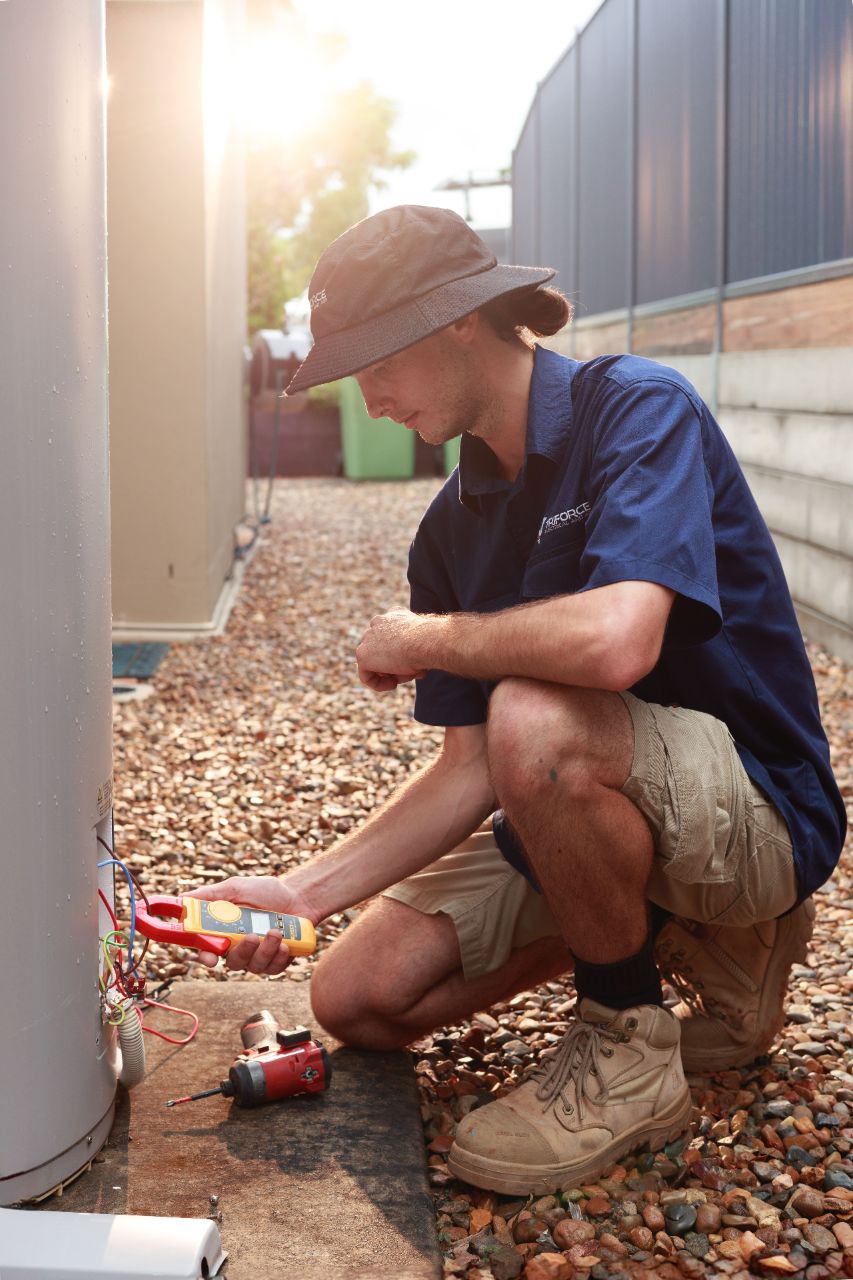
Tripping switches
Common Reasons a Safety Switch Trips
If your safety switch keeps tripping, it's actually doing exactly what it's meant to do — but repeated tripping usually points to an underlying electrical fault somewhere in the system. The most common causes we find include:
- Faulty appliances
- Damaged or worn wiring and power cords
- Overloaded circuits
- Moisture entering power points or switches
- Faulty sockets, lights or switches
- Ageing electrical systems and nuisance tripping from older wiring
- Damaged extension leads or power boards
As a first, simple step, unplug the appliance you were last using and try resetting the switch, then reconnect appliances one at a time to help narrow down the fault. In some cases the issue only occurs intermittently, which makes it harder to pin down without professional fault-finding equipment.
A tripping safety switch should never be ignored, especially if it keeps happening after appliances have been disconnected and the switch has been reset. If that's the case, call our licensed fault-finding electricians so we can safely identify the source of the problem.
Switch keeps tripping?
Get your safety switch checked properly
If your safety switch trips regularly, won't reset, or you're just not sure it's doing its job, our licensed electricians can test it and find the underlying cause.
Repairs & replacement
Safety Switch Repairs and Replacements
If your safety switch isn't working, trips constantly, or refuses to reset, it may need repairing or replacing outright. A faulty RCD is a genuine safety hazard and shouldn't be ignored. Common signs it's time to call an electrician include:
- A burning smell or unusual heat coming from the switchboard
- The switch won't reset
- Visible damage to the switch or switchboard
- Frequent, unexplained tripping
- An old or outdated device
- Only one safety switch covering the entire home
We'll identify the fault and recommend the most sensible solution for your situation — whether that's a straightforward repair, a full replacement, or a broader switchboard upgrade if the existing board can no longer support the protection your home needs.
Testing & maintenance
Why Safety Switch Testing Matters
Safety switches contain mechanical and electronic components that can wear out over time. A safety switch can look perfectly normal from the outside and still fail to respond properly during an actual fault if it hasn't been tested regularly. Routine testing confirms your safety switches can still disconnect power quickly when it counts, and can also help uncover damaged wiring, overloaded circuits, switchboard faults and other hidden electrical issues before they become bigger problems.
For Queensland homes, the general recommendation is simple:
- Press the test button on each safety switch every 3 months
- Have professional electrical testing carried out every 1–2 years
If it's been a while since your safety switches were properly tested, our team can carry this out as part of a broader electrical inspection, checking trip speed, wiring, circuits and overall compliance across your switchboard.
The bigger picture
Switchboard Integration and When to Call an Electrician
A modern switchboard doesn't rely on a single safety switch to protect an entire home — it combines individual safety switches and circuit breakers across separate circuits, so a fault in one area doesn't need to knock out power everywhere else. If your switchboard still only has one safety switch, uses ceramic fuses, or hasn't been looked at in years, it's worth having an electrician assess whether a switchboard upgrade would give your home better protection.
It's also worth pairing safety switch protection with other basic home safety checks, such as working smoke alarms, so the essentials are covered together rather than one at a time. If you're ever unsure about the condition of your switchboard, don't attempt to inspect or open it yourself — call a licensed electrician to take a look.
Why choose us
Why Choose Triforce Electrical and Air for Safety Switch Services
Triforce Electrical and Air is a 100% Australian family-owned business based in Shailer Park, servicing Shailer Park, the surrounding Logan suburbs, greater Brisbane, Bayside, the northern Gold Coast and Redland City. We're backed by 480+ Google reviews, hold Electrical Contractor Licence 83596, and our licensed electricians provide professional safety switch installation, testing, repairs and upgrades across the region.
We take the time to explain any issues clearly, without unnecessary jargon or pressure, so you understand exactly what's going on with your electrical system and what your options are. From new safety switch installations through to fault-finding and repairs, our team is focused on safe workmanship and reliable, honest advice.
If you're unsure about your switchboard, your safety switch keeps tripping, or you'd simply like your system tested, call our team on 07 3520 7135 or get in touch through our contact page.
Common questions
Safety Switch FAQs
How often should safety switches be tested?
For Queensland homes, the general recommendation is to press the test button on each safety switch every 3 months, and to have professional electrical testing carried out every 1–2 years.
What's the difference between a safety switch and an RCD?
There isn't one — a safety switch and an RCD (residual current device) are the same thing. The terms are used interchangeably, and both describe a device that monitors the current in a circuit and disconnects the power if it detects a leak or imbalance.
What's the difference between a safety switch and a circuit breaker?
A safety switch (RCD) is designed to protect people from electric shock by disconnecting power when it detects a current leak. A circuit breaker protects your wiring and appliances from overloads and short circuits by cutting power when too much current flows through a circuit. Modern switchboards use both together for full protection.
Why does my safety switch keep tripping?
A safety switch that keeps tripping is doing its job, but it usually points to an underlying electrical fault such as a faulty appliance, damaged wiring, an overloaded circuit or moisture getting into a power point or switch. If it keeps happening after you've unplugged appliances and reset the switch, it's time to call a licensed electrician for fault-finding.
Are safety switches compulsory in Queensland?
Yes. In Queensland, safety switches are compulsory on all power circuits. Some older homes only have a single safety switch covering part of the property, which means an upgrade is often needed to bring the switchboard up to current standards.
Request a callback
Ready to have your safety switches sorted?
Whether you're dealing with a switch that keeps tripping, planning a renovation, or just want peace of mind that your home is properly protected, our licensed electricians can help. Tell us what's going on and we'll get back to you.