
Using Your Air Conditioner in Winter: A Practical Heating Guide
Keep warm this winter without a huge electricity bill — how to maximise the efficiency and effectiveness of your air conditioner to heat your home or office.
Let’s be real — Queensland winters aren’t exactly Arctic-level, but they’re still cold enough to turn your home into a fridge if you’re not prepared. The good news is you don’t need a roaring fireplace or an electric blanket in every room to stay warm. Your reverse cycle air conditioner can do the job perfectly, if you use it right.
Here are eight practical tips to make sure you’re heating your home effectively, without your power bill giving you a heart attack.
1. Set It And Forget It (Within Reason)
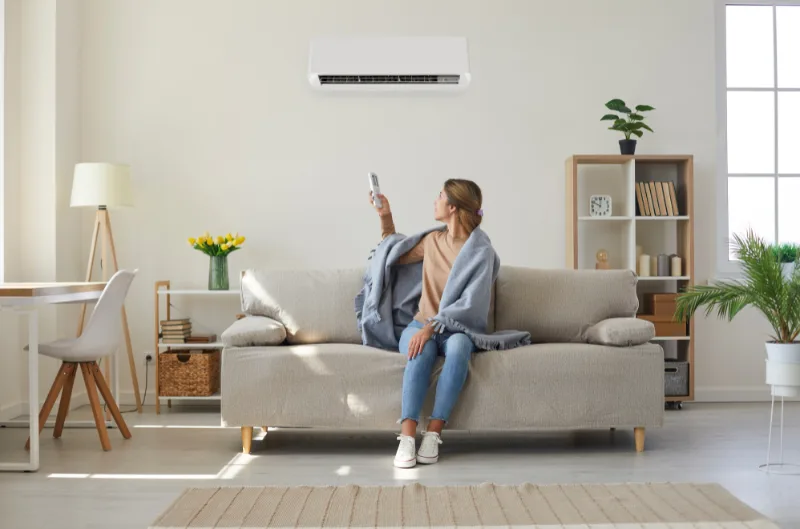
Blasting your air conditioner at 30°C might seem like the best way to heat your home, but running your system at maximum capacity burns through significantly more energy and works it harder for not much extra warmth and comfort.
We suggest finding a comfortable temperature for your home or office and letting your system do its thing. A well installed and maintained, modern air conditioner is very good at maintaining a consistent temperature and airflow. The sweet spot for running your air conditioner in winter is around 20–22°C.
2. Close That Door
Heating the whole house when you’re only using one room is like pouring a pot of tea into every mug in the house just because you’re thirsty. Close off unused rooms to stop warm air from escaping where it’s not needed, and focus on heating the areas you’re actually living in. Make sure all external windows and doors are kept closed to keep that warm air inside.
3. Improve The Efficiency Of Your Home, Passively
Look at passive ways you can improve your home or office’s ability to retain heat during winter. We recommend the following additions to improve efficiency:
Install quality insulation
High quality insulation batts in your ceiling space, and in your wall cavity if possible.
Fit door seals
Install door seals around any external doors to prevent drafts from entering the home.
Seal cracks and crevices
We’ve found older “Queenslander” style homes with timber flooring can let in huge amounts of cold air if not properly sealed and insulated.
Open blinds and curtains
Let in thermal heat from the sun during the day.
The best thing about these changes is they’re low cost, very long lasting, require no maintenance once installed, have other benefits such as reducing external noise, and will reduce the load on your air conditioner.
4. Use The Timer Function (And Eco Mode)
There’s no need to run the system all night or all day. Set your air con to turn on 30 minutes before you get up or come home, so the place is warm when you need it without having it running non-stop.
Most modern systems also have an eco mode, which is particularly effective overnight when the occupants of the home are asleep.
5. Keep Filters Clean
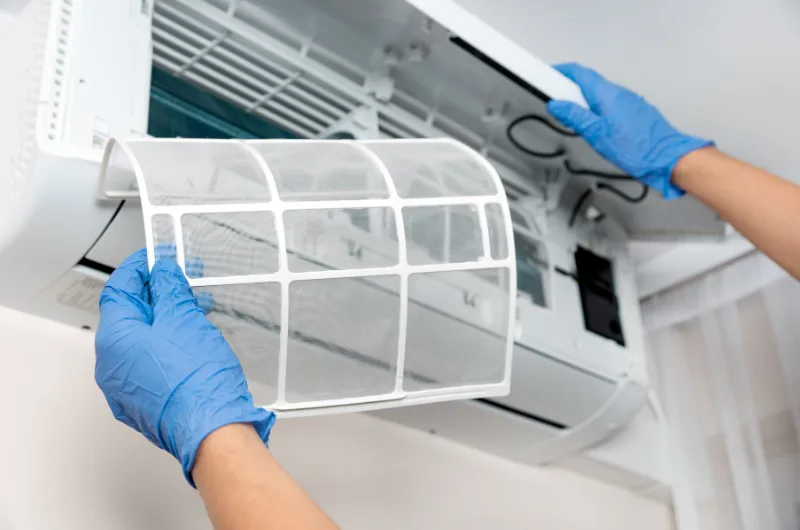
A dirty filter is like trying to breathe through a blocked nose — it slows everything down.
Adequate airflow is critical to your air conditioner’s performance. Poorly maintained filters cause your air conditioner to work harder to push air through, which means less heat and more energy use.
Clean your filters every month throughout the year. It takes five minutes, saves money, and helps your system last longer — and the air quality in your home will thank you too.
Filters on split systems and ducted systems can usually be cleaned easily with clean water, or just a vacuum if they’re maintained regularly.
6. Don’t Ignore The Fan Direction
Yes, your air conditioner has a “winter mode”. Switch the fan to blow downward, because warm air rises — directing it lower into the room helps circulate heat where it’s needed, down where you are rather than up near the ceiling.
Most split system air conditioners also let you manually adjust the louvres of the indoor unit to direct air in a downward direction.
7. Zone Control Matters
Do you have a ducted air conditioner? Does it have zone control, and are you getting the most from your zone controller? We’re still surprised at how many homes and offices have a ducted air conditioner with no zone controller at all.
Installing a zone controller can seriously increase the effectiveness and efficiency of your air conditioner. A properly designed zone controller, used correctly, can add up to significant energy cost savings, less workload for your system, and can even mean installing a smaller ducted air conditioner tailored to your specific needs.
If you need a zone controller, or don’t think your current one is working properly, it’s worth reaching out to a professional to get it sorted — see our air conditioning guidelines and sizing guide for more on choosing and setting up a ducted system.
8. Get A Professional Service
If it’s been a while since your air con was serviced, it could be working harder than it needs to, or not heating efficiently at all. A professional service can clean internal components, check refrigerant levels, and make sure everything’s running like clockwork.
Think of it like a tune-up for your car — it keeps the system reliable and efficient, and helps you avoid costly breakdowns.
Our Final Thoughts
Your air conditioner can absolutely keep you warm through winter, if you use it smartly. With the right settings, a bit of maintenance, and a few tricks to keep the heat in, you’ll stay comfortable without blowing the budget.
And if you want a hand checking your system, giving it a service, or upgrading to something that won’t choke on the first frost, give Triforce Electrical and Air a call on 07 3520 7135. We’re local, we’re reliable, and we care.