Electrical safety series
Electrical Tingles, Shocks and Powerline Safety: What Every Queensland Homeowner Needs to Know
If you feel a tingle or shock, or spot a damaged powerline, don't wait – here's what it means and exactly who to call.
Duty of care
Electrical Safety Is Everyone's Responsibility
All Queensland property owners and managers have a duty of care under electrical safety laws to make sure their property is electrically safe for every tenant, visitor and tradesperson who steps onto it.
This article is part of Triforce's broader electrical safety education for homeowners and tenants – covering the everyday hazards that matter most around the home, from unsafe DIY work to the warning signs your body and property give you when something isn't right. If you haven't already, it's worth reading our companion guide on the real risks of DIY electrical work, and finding out how a correctly installed safety switch can cut the power in a fraction of a second if a fault does occur.
Don't ignore it
Tingles and Shocks: Why They Must Never Be Ignored
Electric shocks and tingles come from places in your property that have electrical wiring or metal components. You may experience an electric shock or tingle if there's a fault with the internal wiring in your home, or in some cases, a network fault where the powerlines meet your property. These faults are never something to shrug off – something isn't right, and it could kill you.
No matter how minor the electrical shock or tingle, they can quickly turn into a life-threatening problem and they should be reported immediately.
If you receive an electric shock or tingle from an appliance, water pipe, metal tap, powerpoint or any other conductor of electricity in your home, report it immediately by calling your local electricity distributor – Energex if you're in South East Queensland (including Shailer Park, Logan and Brisbane), or Ergon Energy if you're in regional Queensland. If a serious injury has occurred, dial 000 straight away. For minor injuries or advice, call 13 HEALTH or your local GP.
What to do
What To Do If You Get a Shock
The Shock Is Coming From an Appliance
If you get a shock from using or touching a metal electrical appliance like a dryer, toaster or stove, stop using it immediately. If it's a plug-in appliance, get it checked by a licensed electrician. If it's hard-wired – for example a stove or air conditioning unit – call your property owner.
The Shock Is Coming From a Tap, Pipe or Other Metal Fitting
If you get a shock from a tap, pipe or other metal fitting, stop using it and call your local network distributor – Energex or Ergon Energy – immediately and ask them to check your property.
Should You Turn the Power Off?
The switchboard enclosure that contains your property's main electricity switch will most likely be metallic and should not be touched. The safest approach is to avoid touching any exposed metallic surface until a qualified crew can carry out the necessary safety checks at your property.
How Will It Be Fixed?
If the issue is with the network connection, or with equipment owned by your electricity distributor, their crews will carry out repairs at no cost to you and get you reconnected as soon as possible. If the cause of the electric shock isn't the network connection, the issue is most likely with the wiring inside your property. In that case, you'll need to arrange – and pay for – a qualified electrician to inspect and rectify the fault. Once the fault has been repaired, your distributor's inspector will carry out checks to confirm your property is safe to be re-energised, and it's a good time to book a full electrical safety inspection to make sure nothing else has been missed.
If a fault keeps recurring or is hard to pin down, our fault-finding electricians can track it down properly rather than treating the symptom.
If you're renting, this is your landlord's responsibility – notify them immediately so they can arrange for an electrician to carry out the work.
Overhead, underground and service lines
Overhead Powerlines, Service Lines and Underground Lines
Look Up, Look Down – and Assume It's Live
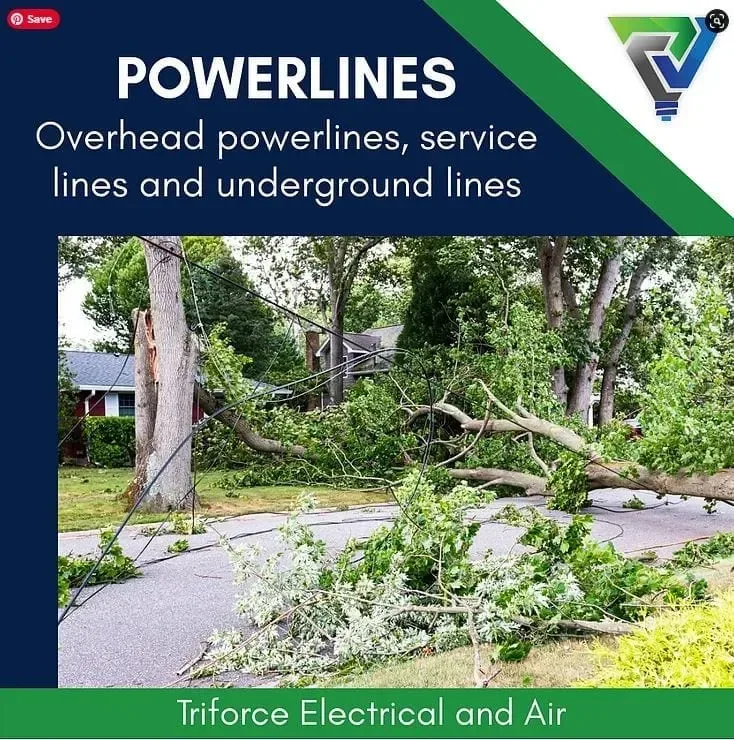
Before you begin work outside your home – like cleaning your pool or tidying the garden – check for overhead powerlines and service lines connecting to your house, especially if you're using long objects or ladders.
Keep well away from all powerlines. If a line is damaged or falls to the ground, don't touch it. Stay clear and contact Energex or Ergon Energy immediately.
Renovations and Yard Work: Call Before You Dig
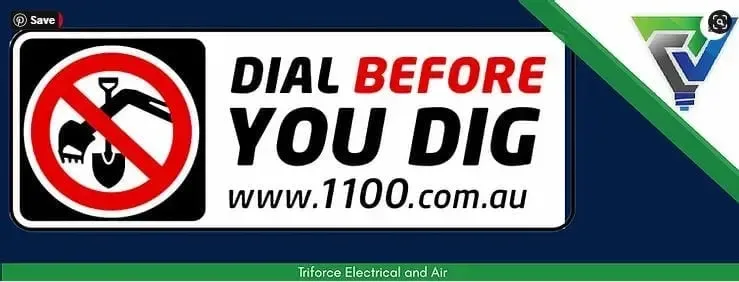
If you're digging in your yard or carrying out any renovation that could disrupt underground infrastructure, there's one essential first step: call Dial Before You Dig. This applies to any digging activity, including but not limited to:
- New fencing
- Driveways
- Landscaping
- Mailbox installation
- Pools
Dial Before You Dig can advise you on the location of any underground electrical lines before you start – it's a free service. Note that Dial Before You Dig is not an emergency service. If damage to infrastructure is life-threatening, contact Emergency Services on 000.
Before you dig
Some Useful Tips for Home Owners
- A Dial Before You Dig enquiry must be lodged at least one business day before starting any excavation or work site project, allowing sufficient time to receive plans back from registered asset owners locating any affected infrastructure.
- If you have a tradesperson working onsite, agree upfront on who will lodge the free enquiry with Dial Before You Dig.
- The plans you receive do not pinpoint the exact location of infrastructure – only its presence. Duty of care must still be exercised when working around any infrastructure assets.
- Never assume the depth or alignment of pipes and cables.
- For any excavation project, always proceed with caution and follow the 5Ps of Safe Excavation.
- Plans are indicative only and may not contain specific detail within your property boundary.
- If you need further assistance, contact the infrastructure asset owners directly using the numbers provided on the plans.
- Consider hiring a DBYD-certified locator, or one recommended by the asset owner, if you believe there's infrastructure near your project site but can't locate it.
- Keep a record of the information and any notes you make, in case damage occurs to an infrastructure asset.
- Asset owners may seek compensation for damage caused to their infrastructure, regardless of whether a Dial Before You Dig enquiry was lodged. Any excavation around the home can damage surrounding infrastructure – proceed with caution and follow your duty of care.
Dial Before You Dig Queensland: call 1100 or visit 1100.com.au.
Felt a tingle or shock?
Want a Full Electrical Safety Check?
Our licensed and insured electricians can inspect your property, track down the fault and confirm it's safe.
Further information
References
- Energex – South East Queensland electricity distributor
- Ergon Energy – regional Queensland electricity distributor
- Dial Before You Dig – free underground service location
Looking for more guides like this one? Browse our Information & Advice hub for practical electrical and air conditioning advice, or book a full electrical safety inspection for your home or business.
Local expert electricians
Not Sure If Something's Wrong? Ask Us First.
For a comprehensive electrical safety inspection of your home or business, contact our friendly Triforce team.