3-Phase Power Board Installation
New or upgraded three-phase power boards for commercial premises, sized to your current and future load.
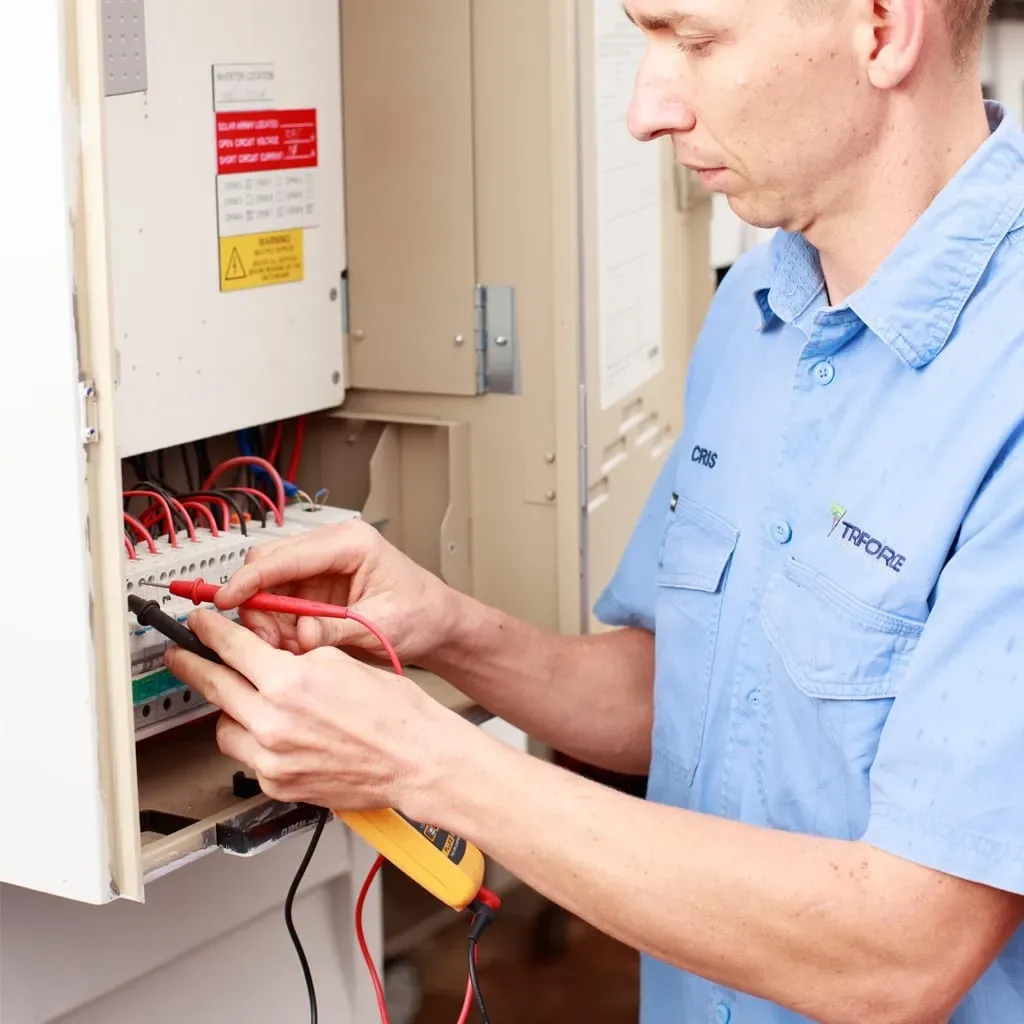
Three-phase power installation
A steadier, higher-capacity power supply for EV chargers, large air conditioning, workshops, machinery and growing commercial demand across Brisbane and Logan.
The basics
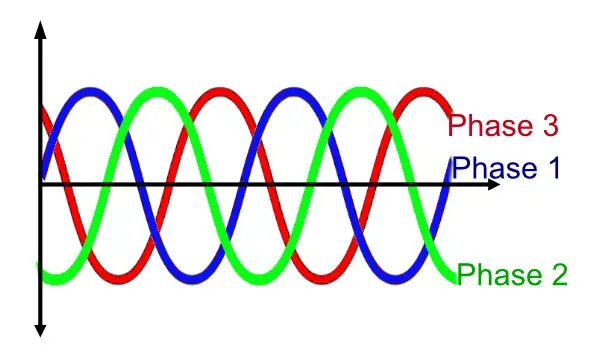
Electricity flows like a tide, rising and falling from positive to negative over and over — a pattern that, when graphed, forms a sine curve. The drawback with single-phase electricity is that the current briefly drops close to the neutral line on every cycle, which reduces efficiency for energy-hungry appliances because they receive less power during that dip.
A three-phase power system solves this by running three separate currents at the same time, each slightly offset from the others. Because the phases are staggered, there is always a current at or near maximum power, giving three-phase supply a smoother, more consistent delivery and significantly more capacity than a single phase alone.
Most Australian power lines actually carry three-phase electricity. Many homes only have one of those phases connected, while others — and most commercial and industrial sites — have all three connected and split up to supply different circuits.
Why it matters
Modern appliances and equipment increasingly need more power than a standard single-phase supply can comfortably deliver.
Three separate currents running together give a three-phase supply far more headroom for energy-hungry appliances and equipment than single-phase power alone.
Because the three phases are offset, there's always a current near maximum power, so demanding appliances aren't held back by the natural dips in a single-phase current.
Pool filters, large air conditioners, EV chargers and big hot water systems all run more efficiently on a supply built to carry their load.
A well-designed three-phase installation future-proofs your property against rising power demand as you add appliances, solar and EV charging over time.
Around the home
As technology moves on, the demand on a typical home's electrical system keeps climbing. Between larger solar and inverter systems, pool and spa filters, EV chargers and bigger hot water systems, a standard single-phase supply can start to struggle to keep up. Signs your home could benefit from three-phase power include:
Our team will work with you to determine which appliances and areas of your home actually need three-phase power and install the wiring and infrastructure to future-proof your property.
Commercial & industrial
Beyond the home, three-phase power is the standard for most commercial premises, workshops and industrial sites — and our electrical services team handles the full range of installation work.
New or upgraded three-phase power boards for commercial premises, sized to your current and future load.
Dedicated three-phase power points for equipment, machinery and appliances that need a higher-capacity connection.
Wiring designed and installed to safely carry three-phase loads throughout your commercial or industrial site.
Power supply for compressors, welders, lathes and other equipment that runs more efficiently on three-phase current.
Large air conditioning
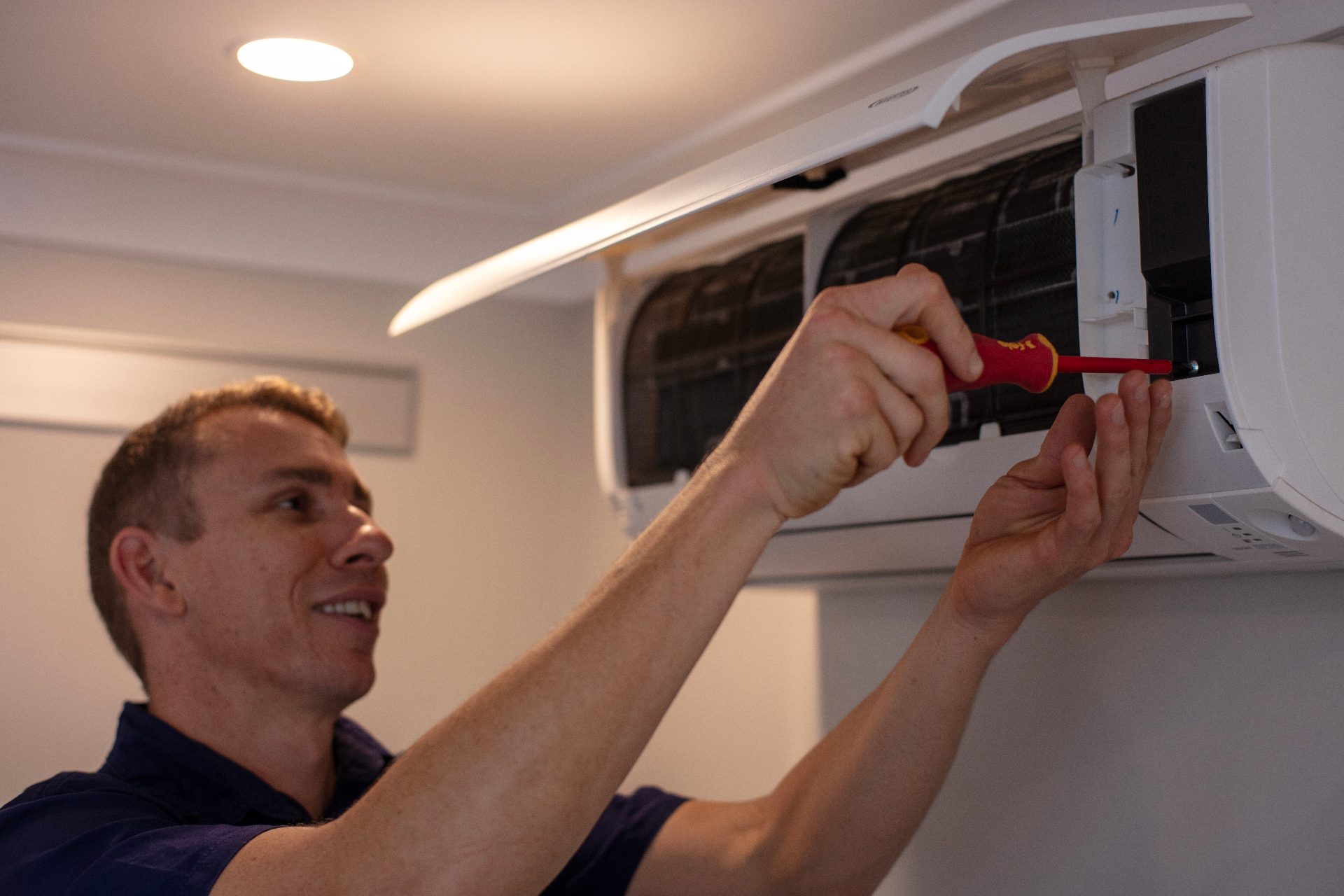
Larger ducted systems and multiple split-system units draw considerably more power than a single wall unit, and a single-phase supply isn't always able to run them efficiently. A three-phase connection gives larger air conditioning installations the steady, higher-capacity current they need to perform properly, especially in larger homes or commercial fit-outs running several systems at once.
If you're planning a larger ducted system or adding several split systems to one property, our team can assess whether your current supply and switchboard will cope, or whether a three-phase upgrade makes more sense.

EV charging
Electric vehicles are one of the biggest drivers of three-phase upgrades we see. Many home EV chargers run happily on single-phase power, but a three-phase connection unlocks faster charging speeds and higher-output charger options — useful if you drive high daily kilometres, run more than one EV, or simply want to charge as quickly as possible overnight.
Our team can advise on whether your current supply supports the charger you want, or whether a three-phase connection and switchboard upgrade would get you there.
See our guide, Is Your Home Ready for an Electric Car Charger?, for a full rundown of what to consider before installing a home or business EV charger.
Sheds, workshops & machinery
Have you got a new shed you want ready for machinery, or is your existing three-phase setup no longer keeping up? Whether it's upgrading an existing system to run new equipment or connecting a shed to your home's three-phase supply and installing a whole new circuit, our team of three-phase specialists can put together a solution suited to how you actually use the space.
Checking your supply
An easy way to tell whether your property already has three-phase power is to check your switchboard:
If your property only has single-phase power, you'll need to contact your local electricity distributor to check whether a three-phase connection is available at your address and what's involved on their side of the network. If three-phase supply is already there — or once your distributor confirms it can be made available — get in touch with our team. We're experienced in all things three-phase and will work with you to design and install the wiring and infrastructure your property needs.
Switchboard requirements
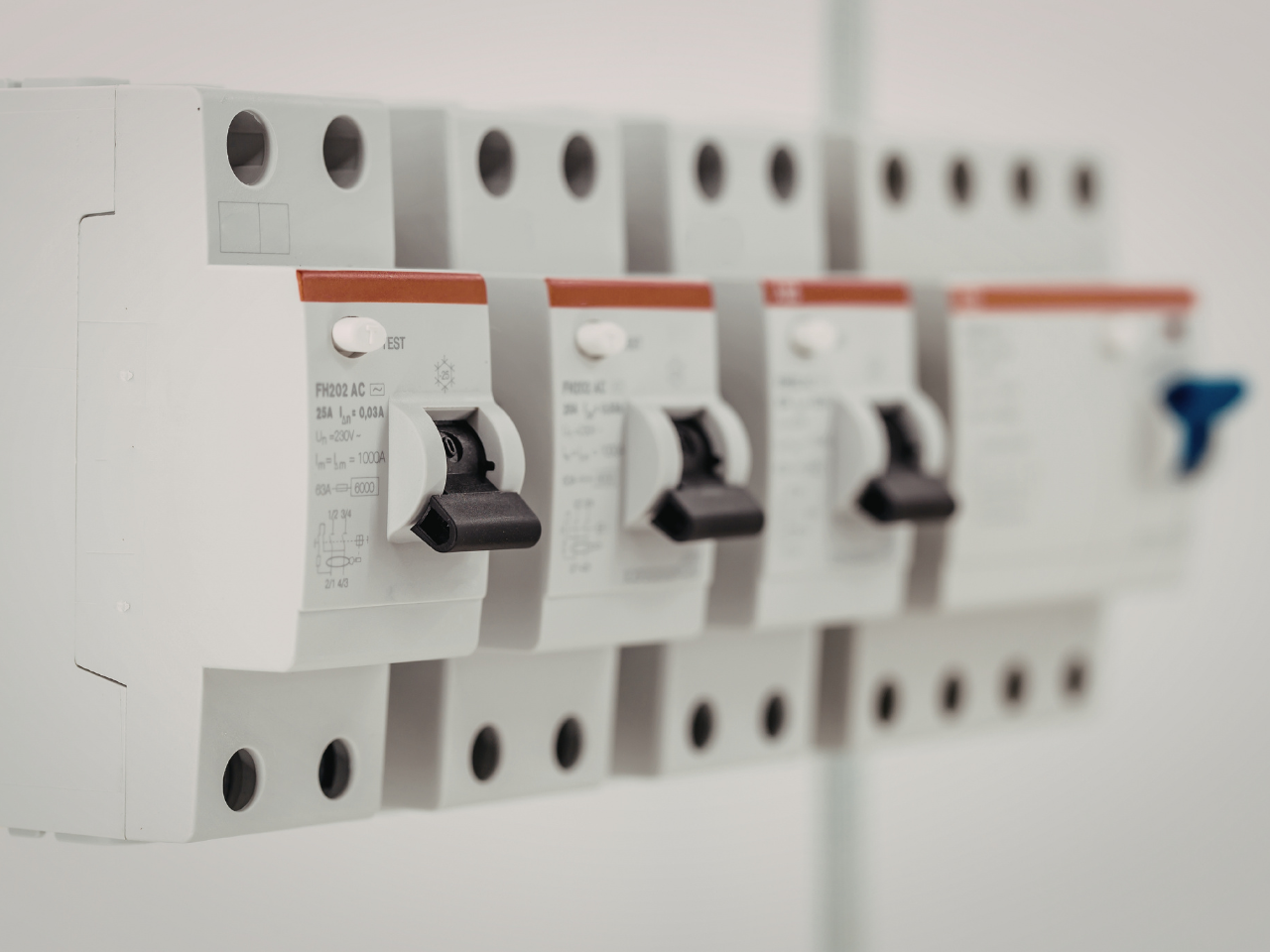
A single-phase switchboard fitted to most homes simply doesn't have the right hardware or ratings to support a three-phase connection. Older three-phase boards can run into the same problem if they're no longer rated for today's electrical demands, which can lead to switches tripping or, in more serious cases, electrical fires.
A switchboard upgrade ensures your home or business is ready for a three-phase connection, or that your existing board can keep up with the demands you're placing on it now. As part of a switchboard upgrade, our team assesses the current electrical loads on your switchboard and installs a system that meets your present needs while future-proofing your property for demand down the track.
Supply & capacity assessment
Every property is different. Our team will assess your existing supply, switchboard and electrical loads, and help you understand what's realistic — whether that's a straightforward three-phase installation, a switchboard upgrade, or checking with your local electricity distributor about connection availability first.
What's involved
Every property is a little different, but a typical three-phase installation or upgrade with Triforce Electrical and Air involves:
We handle the wiring, switchboard and installation work end to end. Where a property doesn't yet have three-phase power available, we'll be upfront that the connection itself needs to go through your local electricity distributor — we're not able to control their approval process or timeframes, but we can help you understand what to ask them and get everything on your side of the meter ready to go.
Safety & compliance
Three-phase work involves higher voltages and higher loads than a typical single-phase job, so it should only ever be carried out by a licensed electrician. An under-rated or poorly maintained switchboard is one of the more common causes of tripping switches and electrical fires, which is why load assessment and correct switchboard rating are such an important part of any three-phase installation.
Triforce Electrical and Air holds Electrical Contractor Licence 83596 and ARC Licence AU53510, and every three-phase installation and switchboard upgrade we carry out is completed to Australian wiring and safety standards.
Common questions
Single-phase power delivers one alternating current that rises and falls, briefly dropping close to zero on every cycle. Three-phase power runs three separate currents at the same time, offset from one another, so there is always a current at or near maximum power. This gives three-phase supply more capacity and a steadier, more efficient current for larger appliances and machinery.
Check the main switch on your switchboard. If it's a single switch, your property is running on single-phase power. If the main switch is actually three switches ganged together, three-phase power is already connected to your property.
Most Australian power lines carry three-phase electricity, but not every property has all three phases connected. If our assessment shows only single-phase is available at your address, you'll need to contact your local electricity distributor to find out whether a three-phase connection can be made available and what that involves on the network side. Once supply is confirmed, our team handles the wiring, switchboard and internal installation work.
Not always. Many home EV chargers run on single-phase power, but a three-phase connection allows for faster charging speeds and higher-output chargers, which can be worthwhile if you drive a lot or want to future-proof your property.
In most cases, yes. A standard single-phase switchboard doesn't have the correct hardware or ratings for a three-phase connection, and older three-phase boards may also be under-rated for today's electrical loads. A switchboard upgrade ensures your board can safely handle a three-phase supply now and as your demand grows.
It depends on the machinery you're running. Larger tools such as welders, compressors, lathes and other workshop equipment are often designed for three-phase power because it runs more efficiently under sustained heavy load. If you're fitting out a new shed or your workshop has outgrown its current supply, we can assess what your equipment needs.
Request a callback
Tell us about your property, your appliances or your equipment and our team will get back to you to talk through the best way to meet your power needs — from a straightforward installation through to a full switchboard upgrade.