
Electrical safety series
DIY Electrics Can Die: The Real Risks of DIY Electrical Work in Queensland
DIY electrical work is illegal, dangerous and can void your insurance – here's what homeowners, landlords and tenants are legally allowed to do themselves, and when to call a licensed electrician.
Duty of care
Why DIY Electrical Work Is So Dangerous
All Brisbane property owners and managers have a duty of care under electrical safety laws to ensure their rental property is electrically safe for every tenant, and for anyone else who may visit or work on the premises.
This article is part of Triforce's broader electrical safety education for Queensland homeowners, landlords and tenants. If you want to know what to do about electrical tingles, shocks and powerline hazards, see our companion guide on tingles, shocks and powerline safety, and for the switchboard hardware that protects your whole home, see our safety switches page.
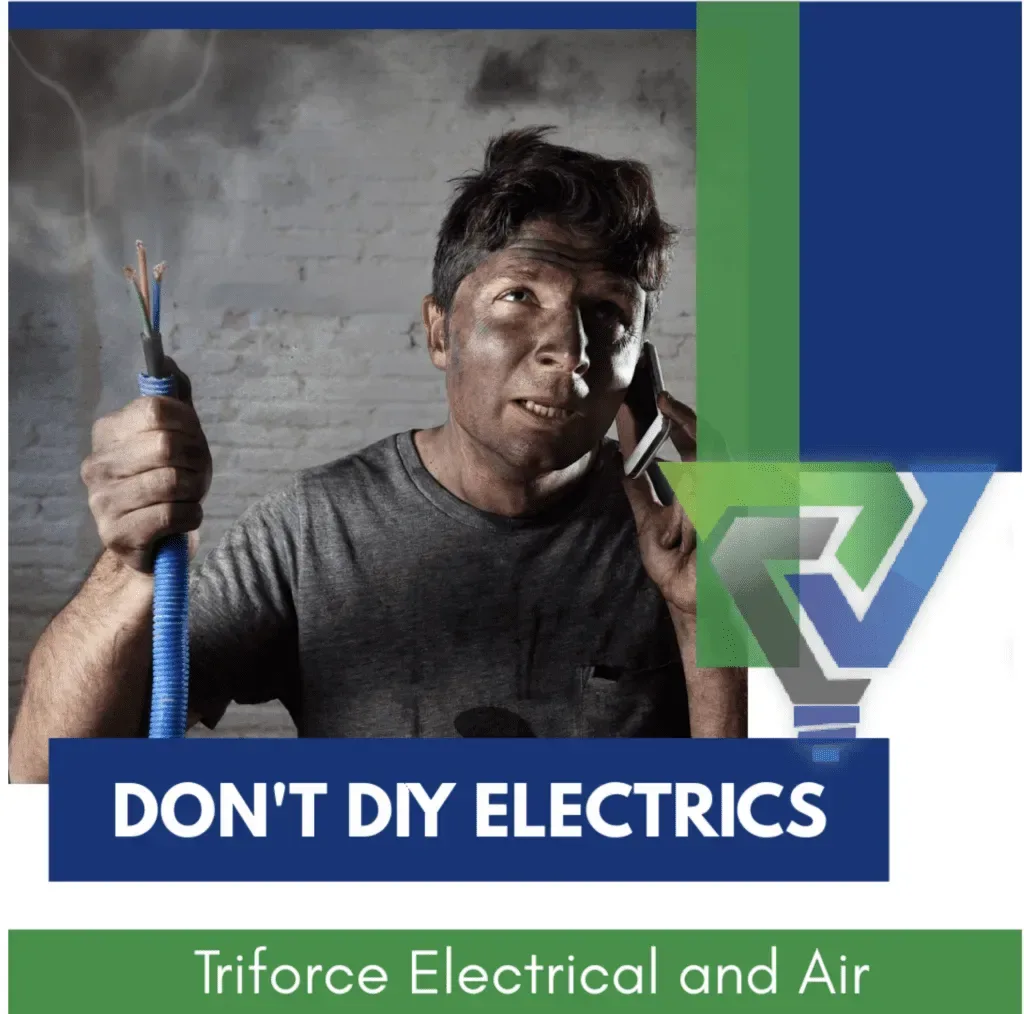
It's a widely cited figure in the industry that over 500 people are hospitalised each year from completing their own DIY electrical work, and that males are around four times more likely to be injured in a DIY electrical project than females. It can be tempting to save some money, watch a video online and give it a go – "blue wire here, green there, snap this back on and done" – but it's actually extremely dangerous, against the law, and can lead to heavy fines or loss of life.
Major property damage from an electrical fault caused by DIY work also means zero insurance coverage. Even qualified, experienced electricians have nasty accidents – amateurs can't begin to understand the complexities of a household electrical system, yet it's still happening.
Getting caught out
You Can't DIY It and Then Get It "Signed Off"
But what if I do the work and then get the professionals to check it?
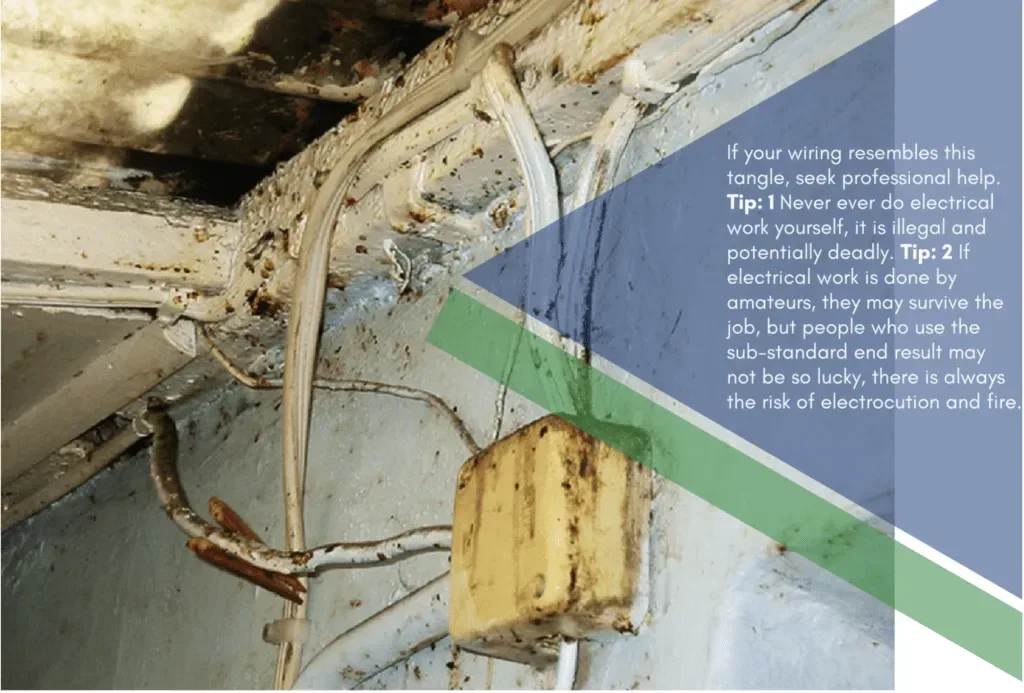
Licensed electrical workers are required by law to ensure electrical work is performed in accordance with legislative requirements and any applicable code of practice or technical standard. It is against electrical safety regulations to retrospectively certify any DIY work – even if it turns out to be 100% compliant, because it was performed illegally in the first place. There is also no guarantee that DIY work won't lead to a dangerous fault down the track, and it cannot be covered by liability insurance.
What if the landlord or tenant is a qualified electrician?
If the tenant or landlord is a licensed electrician, they are permitted to fix "plug-in" items only – such as a fridge. It remains illegal for them to fix any other part of the property or its hardwired equipment, even if they hold a licence.
Businesses that provide electrical work for others in Queensland must hold an electrical contractor licence, and the actual work must be carried out by one of that contractor's licensed electrical workers. It's possible for the business you work for to take on a job and allow you to perform it, but the real estate agent must certify this arrangement as appropriate first. Failing to meet these legal standards can void insurance policies and result in heavy fines.
The reasoning is that licensed electrical contractors are required to meet specific insurance requirements, including a minimum of $5 million in public liability insurance with a $50,000 consumer protection component. A person who doesn't hold a contractor licence – or isn't working under a company willing to sign off on the job – can't offer that same assurance or protection to current or future tenants.
Know the rules
What You Can (and Can't) Legally Do Yourself
Acceptable DIY tasks
Under Queensland law, there's a short list of low-risk jobs homeowners, landlords and tenants are allowed to do themselves:
- Replacing a drive belt in a washing machine
- Cutting openings for, but not connecting, air-conditioning units
- Fitting, but not connecting, an electric wall oven in a kitchen cabinet
- Installing garden lighting and pond pumps
- Installing battery-operated smoke detectors
- Changing a light bulb or fluorescent tube
- Resetting a circuit breaker or safety switch
- Turning the main switch on or off
What am I forbidden to do?
Under section 18 of the Electrical Safety Act 2002 (the Act), electrical work includes "the manufacturing, constructing, installing, testing, maintaining, repairing, altering, removing, or replacing of electrical equipment". That covers everyday tasks people are often tempted to DIY, such as:
- Installing a new power point
- Replacing a light switch
- Replacing a batten holder with a new light fitting
- Repairing an electrical appliance like a heater
- Altering the location of an existing power point
- Replacing a light fitting with a ceiling fan
- Constructing an extension lead
- Replacing a plug on the end of an extension lead
The list above covers some of the "usual" things people try to DIY. If it's electrical, don't DIY it. If you notice signs of a fault – buzzing, warm switches, flickering lights or a breaker that keeps tripping – don't attempt a fix yourself; our fault finding electricians can find and repair the problem safely.
Compliance and penalties
What Are the Penalties for Illegal Electrical Work?
All DIY electrical work is regarded as illegal under the Electrical Safety Act 2002 and Electrical Safety Regulation 2013 (QLD), and comes with penalties of up to $40,000 for individuals. A breach that exposes another person to a risk of death, serious injury or illness may attract penalties of up to $600,000 for an individual, and/or up to 5 years in prison.
Choosing the right electrician
How to Choose an Appropriate Electrical Contractor
If you're a tenant, it's your responsibility to report any electrical fault to your real estate agent straight away, so an appropriate electrical contractor can be sourced.
When choosing an electrician, make sure they hold a current contractor's licence. You can check this using the Electrical Safety Office Queensland's electrical licence search tool, or find a licensed electrician near you using their find an electrician tool. A licensed contractor will be able to issue you with a certificate of compliance confirming the legal requirements have been met.
For faults with plug-in appliances, contact the authorised service agent (such as a white-goods technician) or a licensed electrical contractor with the right skill set to repair it. If you'd rather have your whole property checked over, our electrical safety inspections can confirm your home or rental is safe and compliant.
In every instance, a certified and professional electrician should be engaged to complete all electrical work. It's simply too dangerous not to use a skilled and qualified electrician. Here at Triforce Electrical PTY LTD, we're a fully licensed and insured business that prides itself on customer safety. We won't let you down!
Need a licensed electrician?
Found an Electrical Job You Shouldn't DIY?
Leave it to our fully licensed and insured team – done safely and legally, the first time.
Further information
References
- Electrical Safety Office Queensland – Electrical Licence Search
- Electrical Safety Office Queensland – Find an Electrician
Looking for more guides like this one? Browse our Information & Advice hub for practical electrical and air conditioning advice, or learn more about our safety switch installation and testing service.
Local licensed electricians
Don't Risk It – Call a Licensed Electrician
For any job beyond changing a light bulb, our licensed and insured electricians are ready to help, safely and legally.