
Storm season protection
Why Surge Protection Is Important for Your Brisbane Home
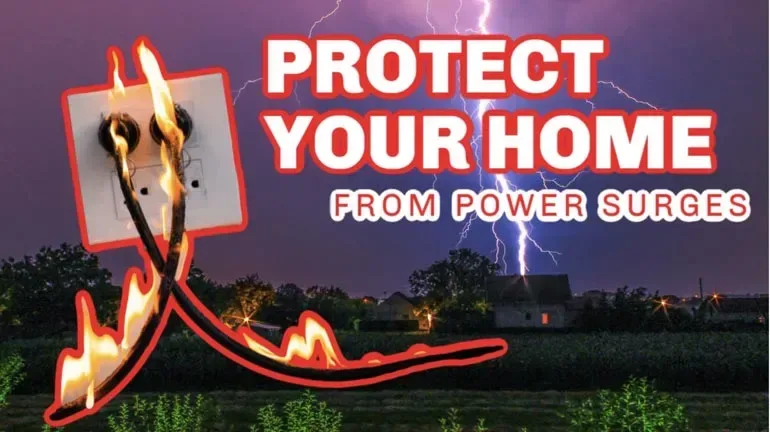
Brisbane's storm season brings a spike in power surges that can quietly damage – or destroy – the appliances and electronics in your home, often without you even noticing.
The hidden risk
Power Surges Are More Common Than You Think
Brisbane storm season is upon us again, and many homes are affected every year. The damage a storm can cause is unpredictable and, in some cases, devastating. One very common problem is the power surge. Have you had a power surge in your home? Have expensive appliances been fried because of it? Even if your appliances survived, they may still have suffered some hidden damage that shortens their working life.
Did you know you can easily protect your appliances and your home from surges, starting right at your switchboard?
Power surges can trigger your circuit breakers and shut off the electricity to your home. Most households will experience power surges at some point, with multiple small ones happening every day. The most common, and often the most damaging, surges happen during our Brisbane summer storms.
Know the difference
Safety Switches Are Not Surge Protectors
Safety switches are NOT surge protectors – they do two very different jobs. A safety switch monitors the flow of electricity and cuts power the instant there's "leakage" to earth, protecting you from electric shock. A surge protector, on the other hand, exists to prevent damage to your home and appliances when there's a power "spike". You can have one without the other, which is why so many homes are protected from shock but still exposed to surge damage.
The basics
What Actually Causes a Power Surge?
A power surge occurs when there's an unexpected interruption to the flow of electricity that then starts again, or when a device that's supposed to draw electricity from the grid puts it back into the system instead – for example during a Brisbane storm, or when an overseas appliance is used in an Australian outlet without adequate protection. Power surges aren't predictable, and have multiple causes including, but not limited to, storms, faulty devices, sudden changes in voltage on a circuit, and supply faults from your electricity provider.
Power surges are sudden and quick – a rapid increase in power that can cause real damage to your electrical appliances. Larger power surges can instantly cause severe damage to a power circuit, resulting in complete loss of appliances and even melted plastic or metal components. Smaller, more frequent surges will cause your devices to degrade over time without you realising why. In very rare cases, surges can lead to house fires.
The most common causes of power surges include:
- Bad, faulty and old, outdated wiring or switchboards – these are the cause of most power surges, can be extremely dangerous, and can lead to fires and electrical shocks. It's important to have an electrician inspect and replace any damaged wiring.
- Small power surges that happen in your home multiple times a day, usually originating from high-powered devices being turned on and off – most commonly air conditioners, fridges and heating devices. These small surges often go undetected but can damage your appliances over a long period.
- Tripped and damaged circuit breakers, which can become a risk over time if they aren't properly maintained and replaced when required.
- Fallen power lines, damaged mains and lightning strikes.
- Tree limbs touching power lines. If there are trees on your nature strip at risk of damaging lines, take a photo and send it to your local council so they can remove or trim them.
- Animals getting inside the walls of your home, the roof, or electrical equipment such as transformers, causing power surges.
- The restoration of power after a blackout, as power comes back into all your appliances at once. It's a good idea to turn off and unplug your devices during a blackout, then plug them back in gradually once power is restored.
Spot the signs
Warning Signs Your Home May Be Affected
You can't do much about a large power surge like a lightning strike, but some signs that you're experiencing smaller surges around the home include:
- A tripped safety switch or circuit breaker
- Sudden resetting of power, or loss of power, to devices
- Broken or failing electrical devices
What's at risk
What Needs Protecting in Your Home?
Some of the main culprits that are vulnerable to power surges, and that benefit most from protection, include:
- Computers, servers and any data carriers
- Televisions and large entertainment systems – like media rooms
- Speakers, stereos and gaming consoles
- Big kitchen appliances – fridges, dishwashers, ovens and stovetops
- Washing machines and dryers
- Light fittings
- Wi-Fi, internet and phone modems
- Vacuum cleaners
- Air conditioners
Reduce your risk
How You Can Protect Your Home From Power Surges
There are several options and measures you can take to help protect your home and minimise your risk from power surges. If you'd like a professional opinion on where to start, our electricians can carry out a surge protection assessment and recommend the right combination for your property.
Whole-home switchboard protection
Installing power surge and overvoltage protection devices in your home's switchboard protects the entire property.
Plug-in point protection
For your important, expensive and sensitive equipment, like computers, we can install a surge-protected power point in the wall.
Phone line protection
Surges can also travel in through phone lines, so these can be fitted with their own protection as well.
Top-quality safety switches
While a safety switch isn't a surge protector, having quality safety switches installed is still an essential part of a safe electrical system.
Use quality equipment
Avoid using cheap power plugs and equipment in your home – quality equipment goes a long way toward protecting your appliances.
Unplug devices not in use
Unplugging devices you're not using removes them from the circuit entirely, so they can't be affected by a surge.
What to expect
The Surge Protection Installation Process
When you have surge protection installed, our process typically covers:
- Assessing the need for surge protection in your home
- Inspecting your electrical devices
- Inspecting your switchboard and wiring, to make sure it's up to date and of adequate size to cope with the amount of electrical equipment in your home
- Checking and servicing any existing devices, such as safety switches
- Discussing your surge protection options and professionally installing your chosen upgrades
Ongoing care
Does My Surge Protector Need to Be Maintained?
Yes – a surge protector will wear out at some point. The more it's used, the sooner it will need to be replaced, and the size of the power spikes it absorbs also contributes to how quickly it wears. This is exactly why it's important to use quality equipment throughout your home in the first place.
Looking for more guides like this one? Browse our Information & Advice hub, or find out more about our surge protection service.
Not sure what you need?
Ready to protect your home from power surges?
Our licensed electricians can assess your switchboard and recommend the right surge protection for your home.
Storm season is coming
Don't wait for the next storm to find out you're unprotected
Get in touch and our team will talk you through the right surge protection for your home before the next Brisbane storm hits.